




Climate change is having a significant and increasingly rapid impact on the environment. It is no longer just nature that is bearing the brunt of these consequences. Major challenges now loom on the horizon for the sustainability of buildings in Quebec. Indeed, buildings must now be designed and adapted to withstand increasingly extreme weather conditions, taking into account the specific realities of each geographic region.
In this article, we examine the various construction methods and materials that are put to the test depending on the geographic area where the building is constructed, and we present our recommendations for addressing the problems caused by the effects of climate change.
Impacts of Climate Change by Region
Climate change does not affect all regions of Quebec in the same way. However, certain phenomena may occur in more than one region. For example, some consequences observed in southern Quebec may also occur in central Quebec.
For each geographic zone, we outline the impacts specific to that area:
North (Arctic)

In northern Quebec, permafrost thaw is one of the most critical issues. Permafrost, which keeps the ground frozen for extended periods, plays an essential role in the stability of foundations.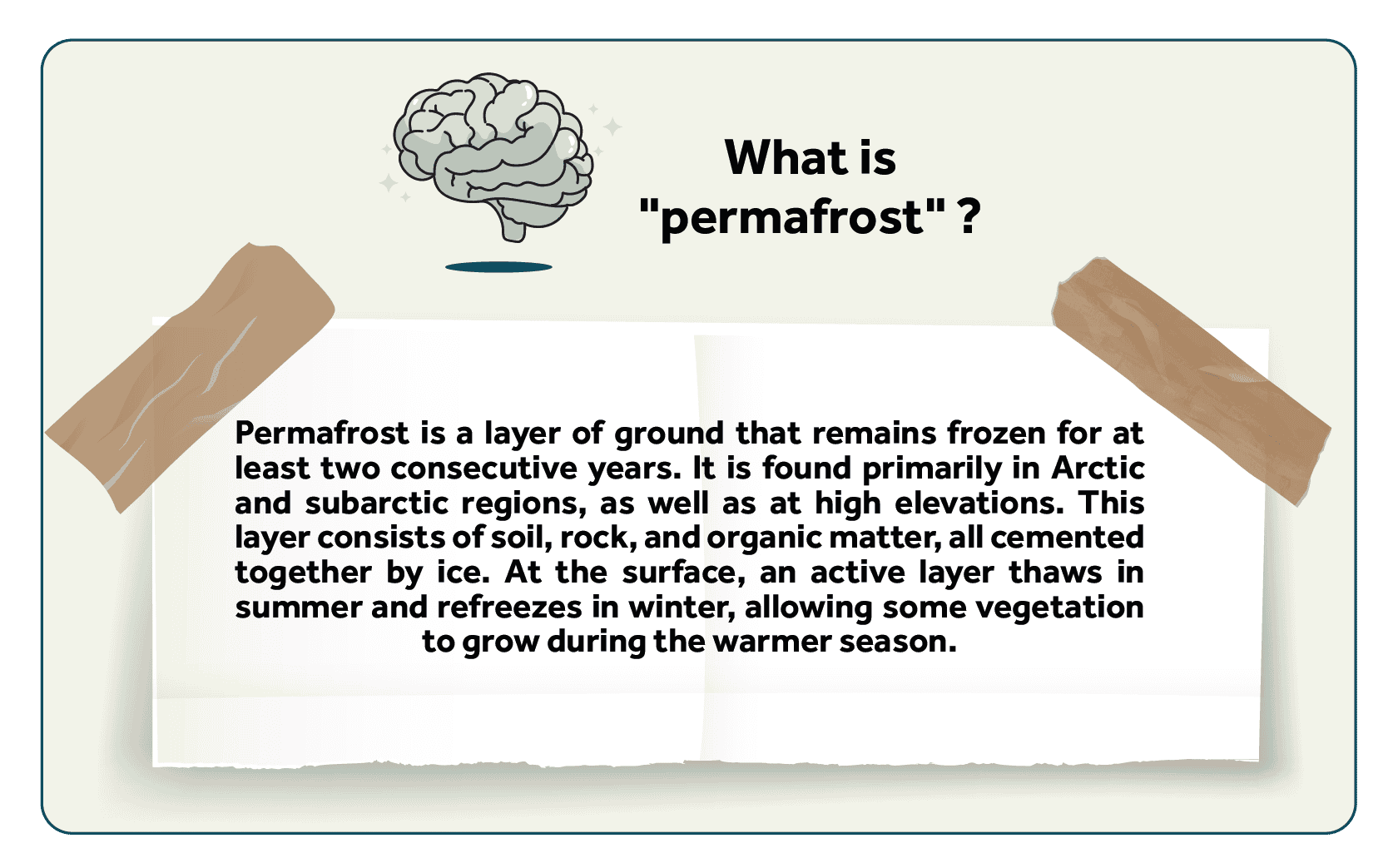
However, as temperatures rise, this frozen soil becomes unstable. The consequences include ground subsidence and structural deformation, which can lead to differential settlement of buildings, thereby worsening cracks and potentially damaging the entire structure.
🔨 How can we adapt our buildings in northern Quebec?
Adaptation in this region involves installing deep piles anchored in the stable soil layers beneath the degraded permafrost, as well as using insulating materials to limit heat transfer to the ground.
Coastal Zone (St. Lawrence Estuary and Gulf)
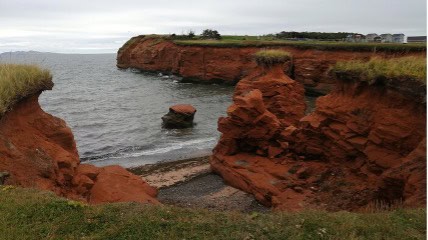
Buildings located in Quebec’s coastal areas are exposed to rising sea levels, combined with a reduction in seasonal ice cover. This leads to increased coastal erosion, raising the risk of flooding for buildings located near the shoreline.
🔨 How can we adapt our buildings in Quebec’s coastal areas?
The use of seawalls, retaining walls, and reinforced drainage systems is essential to protect structures from erosion and storm surges. The geology of certain coastlines also makes foundations more vulnerable, requiring better management of building sites.
South (Montreal and Outaouais)
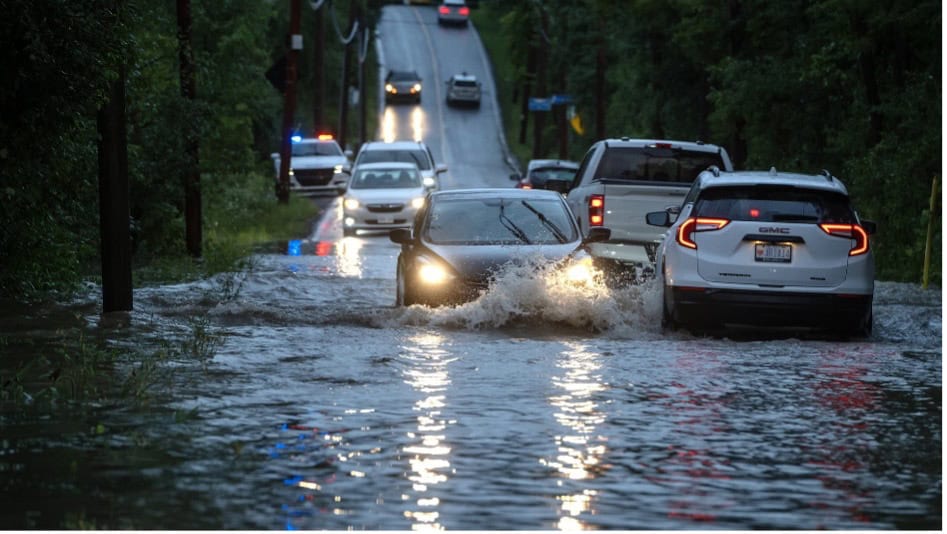
In southern Quebec, the main concerns are the increased frequency and intensity of precipitation, the increased frequency of freeze-thaw cycles, and the drying out of clay soils.
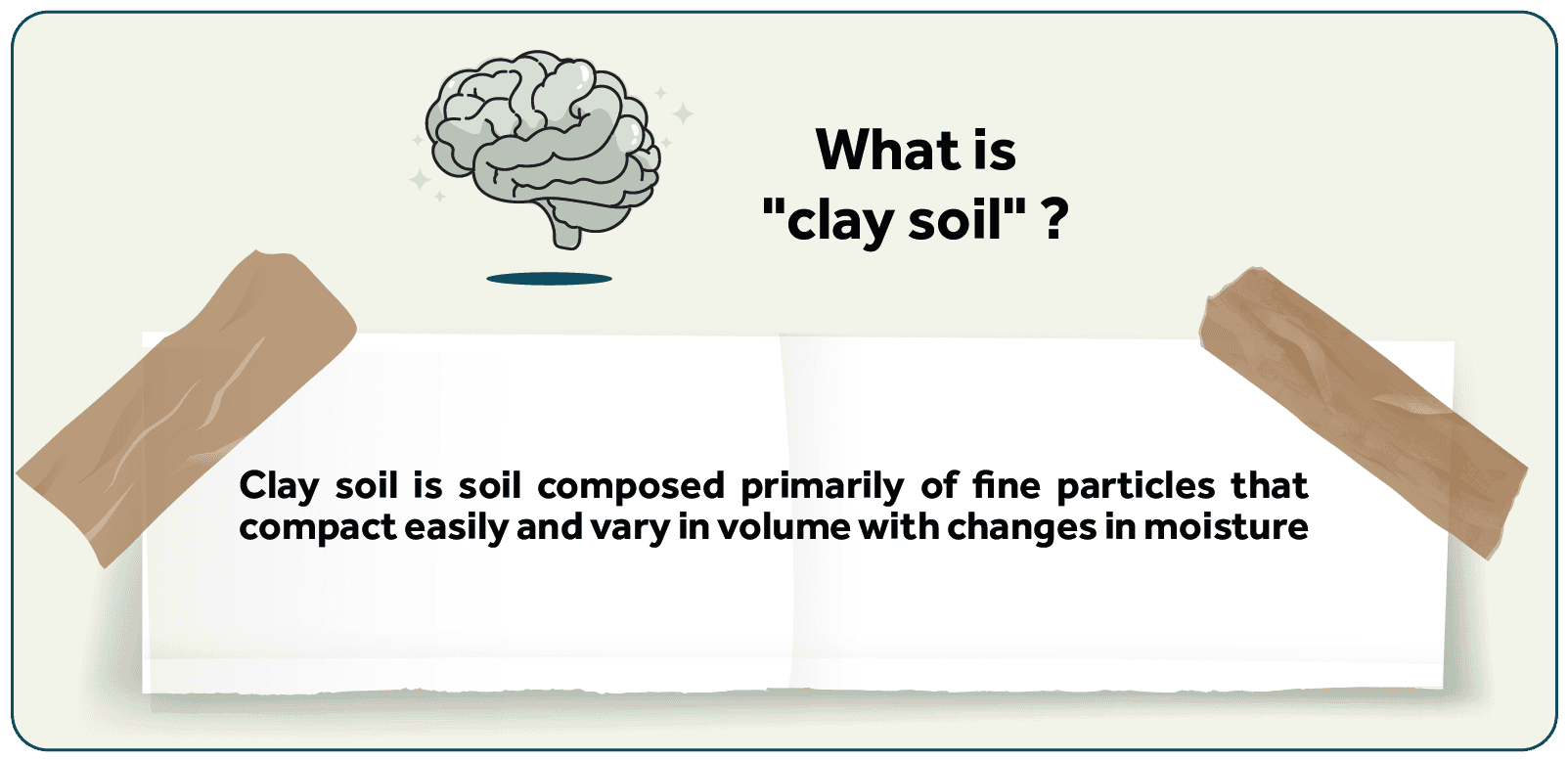
The foundations of buildings constructed on clay soils in Quebec are particularly vulnerable to climate variations. These soils react strongly to changes in moisture; although they can retain large amounts of water within their structure, they contract during periods of drought and swell when exposed to increased moisture. These movements can lead to differential settlement, thereby affecting the stability of structures and causing visible damage, such as cracks in the foundations and warping of walls.
Indirect Impacts of Climate Change on Buildings
Increased Precipitation
Climate change is leading to increased precipitation, whether in the form of rain, snow, or ice. This more intense precipitation, particularly in the form of rain, can increase the risk of water infiltration into basements. Water infiltration can be caused by several factors, including cracks in the foundation, which act as entry points for water.
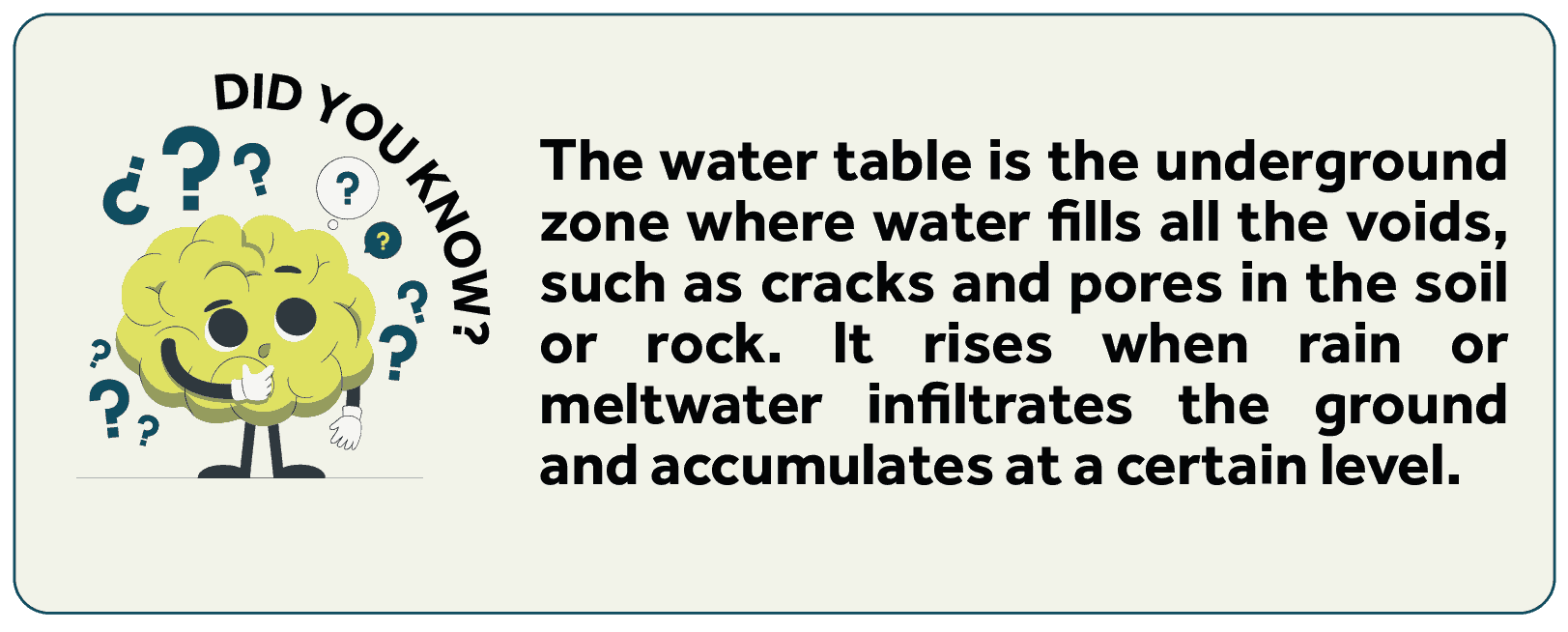
Climate change exacerbates these risks by increasing the frequency and intensity of precipitation. Extreme conditions, such as heavy rains, can overwhelm drainage systems and cause the soil around foundations to become saturated. The accumulation of water then exerts increased hydrostatic pressure on the foundation walls , which can cause cracks, deformation, and water infiltration. This phenomenon is particularly evident when the water table becomes saturated, especially during spring snowmelt and periods of heavy rain.
How can we adapt our buildings in southern Quebec?
Buildings located in poorly drained areas are most vulnerable to this type of damage. It is therefore essential to take preventive measures, such as installing effective drainage systems, applying waterproofing membranes, and grading the land to ensure proper water runoff that directs water away from the building.
-
Freeze-Thaw Cycles
Freeze-thaw cycles, which are common in Quebec, place considerable mechanical stress on buildings. When water in the ground freezes, it expands, creating pressure on the foundation. During each thaw period, the contraction of the soil—weakened by these repeated cycles—leads to gradual settlement that can cause cracks in the foundation. These cycles also affect above-ground infrastructure, such as roads and sidewalks, causing cracks and deformations and contributing to the formation of potholes. Damage related to freeze-thaw cycles is often cumulative: each cycle further weakens the soil, thereby increasing the risk of differential settlement and cracks. Several factors influence the frequency and intensity of these cycles, including air temperature, soil moisture, and snow cover depth. A thick snow cover acts as an insulator, slowing the penetration of frost into the ground, while poorly drained soil or a thinner snow cover is more susceptible to repeated cycles. A thinner snowpack could help reduce the frequency of frost heave under foundation footings and increase the frequency of ice lens formation closer to the ground. These ice lenses will be larger if winter precipitation more often falls as rain.
Climate change is altering winter dynamics, leading to more unpredictable winters marked by temperatures fluctuating around freezing. These frequent variations increase the number of freeze-thaw cycles, placing greater stress on foundations.
- Soil Drying
Prolonged drying of clay soils, particularly in regions such as the St. Lawrence Valley, the Outaouais, and certain areas of Montreal, can lead to differential settlement of foundations. This phenomenon is exacerbated by the presence of trees near buildings, as their roots absorb moisture from the soil, which increases the drying of the clay, causing it to shrink or lose volume. In fact, as temperatures rise and periods of precipitation decrease—a trend that could be exacerbated by climate change—soil drying becomes more pronounced, which can cause subsidence. This phenomenon is particularly pronounced in clay soils, which shrink as they lose moisture.
Furthermore, surrounding conditions play a key role in differential settlement. Imagine a tree planted near the facade of a building. It can absorb a large amount of water, thereby drying out the soil beneath that part of the building, while another facade located near an impermeable parking lot—where the soil is less affected by drying—will remain more stable. This creates a difference in moisture levels between different areas of the building, which can lead to uneven vertical movement and visible cracks in the building’s foundation and exterior cladding, often referred to as “hairline cracks.”
Direct Impacts of Climate Change on Buildings
- Structural Problems
Increased loads on roofs could affect a greater number of buildings. Variations in precipitation—combining snow and rain—make snow heavier, and the increased frequency of these events could lead to roof truss failures, among other issues. Added to this is the impact of ice accumulation.
The return period defined in Appendix C of the National Building Code, regarding design, may become increasingly irrelevant in the face of changing climate conditions. We may see an increase in the frequency of extreme weather events, particularly storms, which would reduce the return period. Thus, a “once-in-a-century” storm, once expected to occur every 50 years, could recur much more frequently—even within a single generation.
- Accelerated Wear and Tear on Materials
Prolonged exposure to water, temperature fluctuations, and humidity accelerates the wear and tear of building materials, such as concrete and masonry joints. This reduces the durability of buildings, increasing maintenance costs.
- HVAC System Performance
Heating, ventilation, and air conditioning (HVAC) systems are also affected by climate change. Hotter summers and temperature fluctuations force these systems to work harder and increase energy costs.
Adaptations
National Building Code
Managing precipitation loads is essential. Building codes, which are currently based on historical data, will need to be revised to account for increasingly extreme weather conditions. In our article, “Revision of National Codes: Toward Greater Resilience to Climate Change,” written by civil engineering expert Antony Beaulieu, it is noted that “the latest edition of the codes, published in 2020, still did not address climate resilience. It will be in 2025 that the national codes will incorporate these changes for the first time. However, it will likely be around 2030 before they take effect.”
The impacts of climate change on Quebec’s infrastructure are no longer theoretical: they are already manifesting in concrete ways, whether through an increase in potholes, the instability of clay soils, the thawing of permafrost, or fluctuations in the water table. These phenomena are placing increasing pressure on construction and maintenance systems, forcing them to adapt to new constraints. It is therefore essential that Quebec’s building codes and construction methods be thoroughly revised to account for these changes.
Phenomena such as ground movement, structural cracks, or the effects of freeze-thaw cycles are not always easy to interpret.
Our team of experts specializing in post-disaster assessments supports you with clear, rigorous, and defensible analyses.
👉 Need an expert to assist you with your case? Contact us to assign us a new case by clicking here.


