




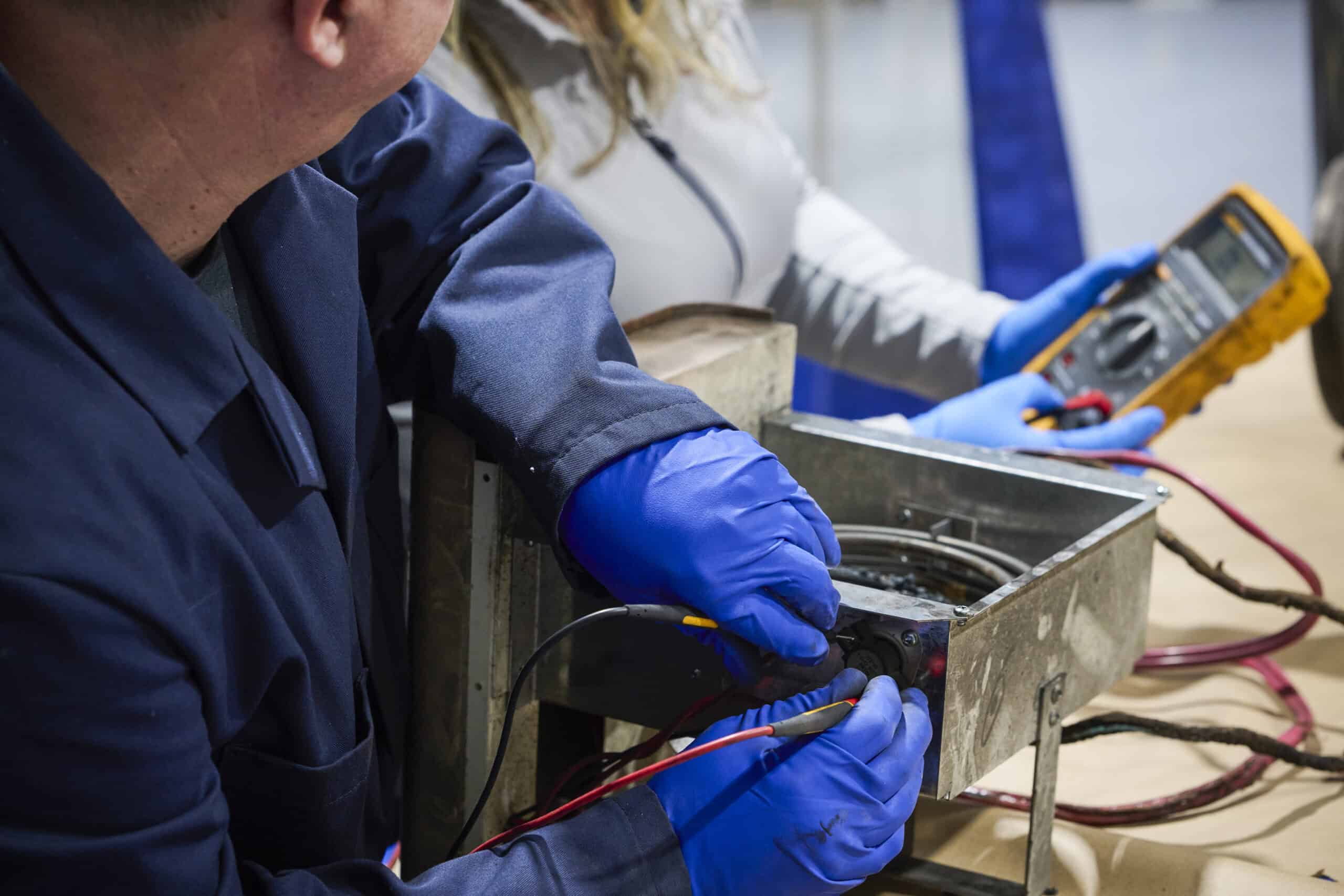
As temperatures drop and winter approaches, heating season is officially back! Thermostats are kicking in, the first fires are crackling, and space heaters are being brought out to warm up cooler rooms.
While these various heat sources help keep us comfortable, bringing them back into use also marks the beginning of a period when certain fire risks warrant particular attention. Among these heat sources, supplementary heating appliances, often used to provide additional warmth, can pose risks related both to how they are used and to internal failures.
In the United States, portable electric heaters reportedly caused approximately 1,400 fires per year between 2017 and 2019¹*. This article outlines the main fire risks associated with these appliances, which fall into two broad categories: those related to how the appliances are used and those resulting from appliance failures.
Fire Risks Associated with Use
- Insufficient Clearances and Obstructed Ventilation
Since the primary function of these appliances is to generate heat and efficiently warm the surrounding air, it is essential that the heat they produce be adequately dissipated. When combustible material is placed too close to an appliance, radiant heat may be sufficient to ignite it. Consequently, failure to maintain the required clearances around the appliance poses a significant fire risk. These clearances vary by model, but manufacturers frequently specify a minimum distance of approximately 0.9 m (3 ft) on the front of portable electric heaters. Health Canada also recommends maintaining a distance of at least 1 m between these appliances and combustible materials³.
Objects or accumulated dust obstructing ventilation openings, as well as a blocked fan in forced-convection heaters, can restrict airflow and cause overheating. Although some appliances are equipped with thermal protection devices designed to shut off power in the event of overheating, failure of these devices can allow temperatures to continue rising until combustible materials ignite.
- Use of Extension Cords and Power Bars
When an electric current flows through a conductor, some of the electrical energy is converted into heat. This phenomenon, known as the Joule effect, is the principle behind the operation of heating elements. The amount of heat generated depends, among other factors, on the electrical resistance of the conductor and the magnitude of the current flowing through it.
Portable electric heaters can draw a significant amount of current. For example, a 1,500 W appliance operating at 120 V draws 12.5 A. Consequently, using an extension cord with conductors of insufficient wire gauge (size) can cause them to overheat. This risk is increased when the heat generated cannot dissipate adequately, particularly if the cord is coiled or covered by an insulating material, such as a rug. The resulting heat buildup can cause the conductor insulation to deteriorate or even ignite.
Using an extension cord or power bar introduces additional electrical plug-and-receptacle connections. If these connections are worn or have poor contact, their electrical resistance can increase, resulting in localized heating due to the Joule effect. This phenomenon, known as a resistive connection, can generate enough heat to start a fire, even in the absence of an electrical circuit overload and without tripping the circuit breaker protecting it.
For all these reasons, manufacturers generally recommend plugging portable electric heaters directly into a wall receptacle rather than using an extension cord or power bar.
Fire Risks Associated with Appliance Failures
Even when an electric heater is used in accordance with the manufacturer’s recommendations, a failure of its internal components can cause a fire. According to a study published in 2023 by the U.S. Consumer Product Safety Commission (CPSC), 47 recalls involving more than 10 million portable electric heaters were recorded in the United States between 2000 and 2022¹.
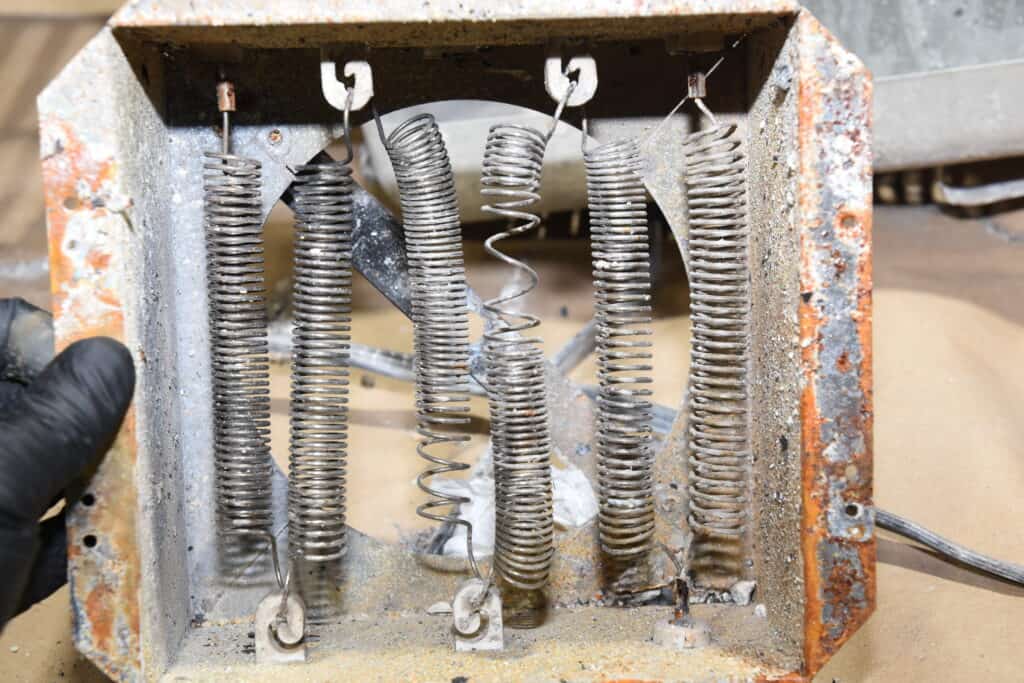
These appliances contain several components that may fail, including internal electrical connections, heating elements, fans, and control and protective devices.
- Electrical Connection Failures
Electric heaters contain numerous electrical connections linking components such as the power cord, controls, protective devices, and heating elements. As with plug-and-receptacle connections, these internal connections can exhibit abnormally high electrical resistance, particularly due to improper crimping, loose connections, or deteriorated contacts. Given the high current drawn by these appliances, the resulting localized heating can cause the surrounding insulating or polymeric materials to deteriorate and eventually ignite. Deterioration of the electrical insulation can also contribute to the occurrence of short circuits or electrical arcing, which may produce molten metal particles capable of igniting nearby combustible materials.
- Heating Element Failures
Portable electric heaters primarily use three types of heating elements:
- metallic resistance wires, generally made of nichrome and held in place by insulating supports;
- sheathed heating elements, in which the resistance wire is surrounded by an electrically insulating materialenclosed within a metal sheath;
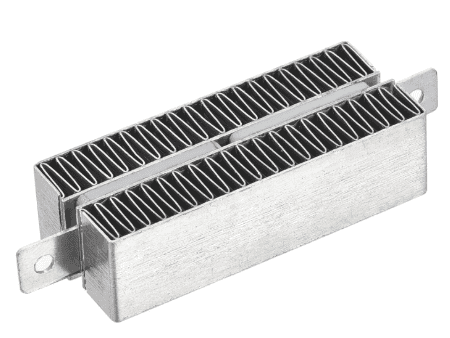
- ceramic heating elements, particularly those with a positive temperature coefficient (PTC), whose electrical resistance increases with temperature, thereby helping to limit their temperature rise.
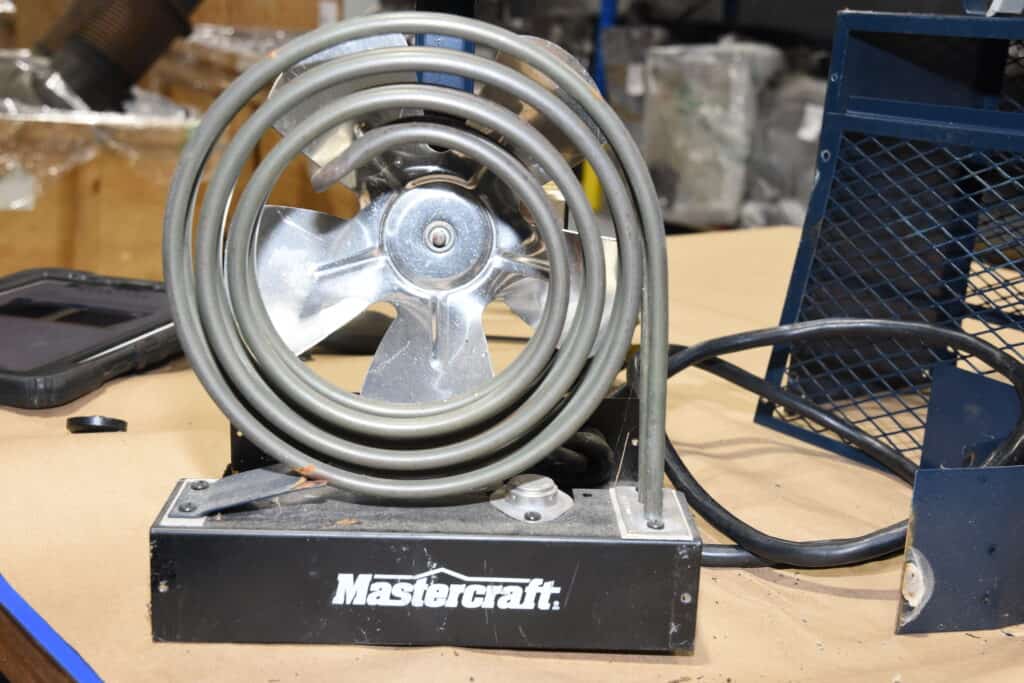
Metallic resistance wires, generally made of nichrome, can break or deform under thermal stresses. If a wire becomes deformed, it may come into contact with another conductive part of the appliance, causing electrical arcing, or with a combustible material, which may ignite due to the heat.
In sheathed heating elements, deterioration of the electrical insulation between the resistive wire and the metal sheath can cause an electrical fault and the formation of electrical arcs. These arcs can cause localized melting of the metal and, under certain circumstances, eject molten metal particles capable of igniting nearby combustible materials.
Although PTC ceramic heating elements have self-regulating properties that reduce certain overheating risks, they can also fail. Cracking of the ceramic material or deterioration of the electrical contacts can cause abnormal heating or electrical arcing.
- Fan Failures
Some portable electric heaters are equipped with a fan that circulates air through or near the heating element to distribute heat throughout the room. An electrical failure of the motor, a sudden mechanical failure, or mechanical failure due to wear can cause the fan to slow down or stop. If the heating element remains energized, the reduced airflow limits heat dissipation, causing the temperature of internal components to rise abnormally. If the thermal protection devices fail to shut off power to the heating element, this overheating can contribute to the ignition of combustible materials inside or near the appliance.
- Protective Device Failures
Electric heaters are always equipped with a user-adjustable thermostat. They may also be equipped with various additional safety devices, including a tip-over switch, a temperature-limiting device (with automatic or manual reset), and a thermal fuse (single-use). These devices are designed to shut off power to the heating element under certain abnormal conditions, such as a thermostat malfunction.
However, these devices can fail and malfunction. In devices with mechanical contacts, repeated opening and closing of the electrical contacts can cause them to deteriorate and, under certain circumstances, weld together. The contacts may then remain closed, preventing power to the heating element from being interrupted and contributing to overheating that could cause a fire.
Conclusion
The presence of a space heater in the area of origin of a fire does not necessarily mean that it caused the fire. Examination of the fire scene remains essential to document, among other things, the appliance’s position, its clearance from combustible materials, and the conditions of its electrical power supply. It also allows investigators to assess other potential ignition sources in the area and look for evidence that may help identify the first material ignited.
A thorough laboratory examination of the appliance may be necessary to assess the condition of the thermal protection devices, the presence of melting marks on the heating elements, and the condition of the electrical connections. Some anomalies may have resulted from exposure to heat during the fire, while others may be related to its cause.
Depending on the circumstances, further examinations may be required. Radiographic examinations may be performed to assess the condition of internal electrical connections and look for evidence of a possible resistive connection or electrical arcing. Finally, melting marks found on conductors or metal components can sometimes be difficult to characterize through visual examination alone. The metallurgical analyses offered by Origin can therefore complement the investigation by helping to distinguish melting marks associated with electrical arcing or thermal exposure from those resulting from interaction with other metals or alloys.
References
- Lee, A., & Heimbach, E. (2023). CPSC staff assessment on portable electric heaters. U.S. Consumer Product Safety Commission. https://www.cpsc.gov/content/CPSC-Staff-Assessment-on-Portable-Electric-Heaters
- Health Canada. (2024, 28 novembre). Danger to human health or safety assessment for portable electric heaters. Government of Canada. https://www.canada.ca/en/health-canada/services/consumer-product-safety/legislation-guidelines/guidelines-policies/information-regulated-parties-enforcement-approach-general-prohibitions/danger-human-health-safety-assessment-portable-electric-heaters.html
- Health Canada. (s. d.). Electrical product safety. Government of Canada. https://www.canada.ca/en/health-canada/services/home-safety/electrical-products.html


