





Who hasn’t had fun measuring the time between seeing a flash of lightning and hearing the sound of thunder to estimate the distance of a lightning strike? Indeed, since light reaches us almost instantly, while sound travels much more slowly through the air (about 340 m/s), we can deduce that a delay of about three seconds corresponds to a strike one kilometer away.
While lightning is impressive to watch, it is also dangerous—not only to our health but also because it can cause fires. Each year in Canada, there are an average of two to three deaths and 180 injuries related to lightning,¹ which is also responsible for nearly 50% of wildfires² and many building fires.
What is lightning?
Lightning is a brief but incredibly powerful electrostatic discharge, reaching up to 15 million volts, with an average current of about 24,000 amperes.³ The discharge typically lasts about a quarter of a second. Most lightning occurs within clouds; this is known as intracloud lightning. It can also occur between two separate clouds. Finally, only about 10% of lightning strikes result in a discharge between a cloud and the ground—or a building.
How do lightning strikes affect buildings?
Lightning can enter buildings in three possible ways:
1. Direct strike
- By striking the building directly, particularly a metal component on the roof (shingle nails, gutters, chimneys, roof vents, etc.);
2. Indirect strike
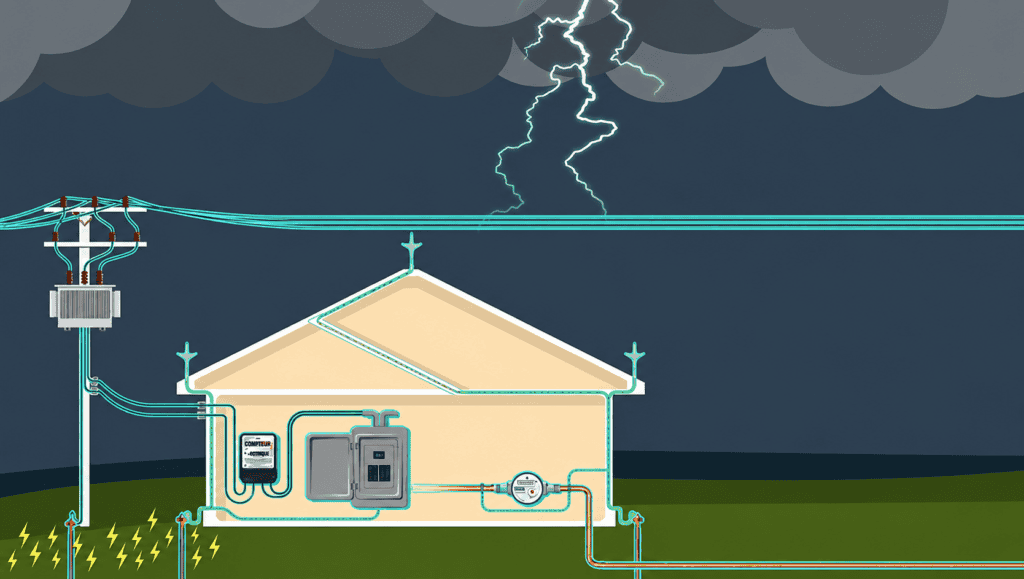
- By striking a tree or other object near the building. In such cases, the electrical current can spread radially through the ground and enter buildings, particularly by traveling from the plumbing system to the electrical system—especially if underground water pipes are used to ground the building’s electrical system;
- By striking nearby overhead cables and entering the building through electrical service conductors, ground continuity conductors, or telecommunications cables;
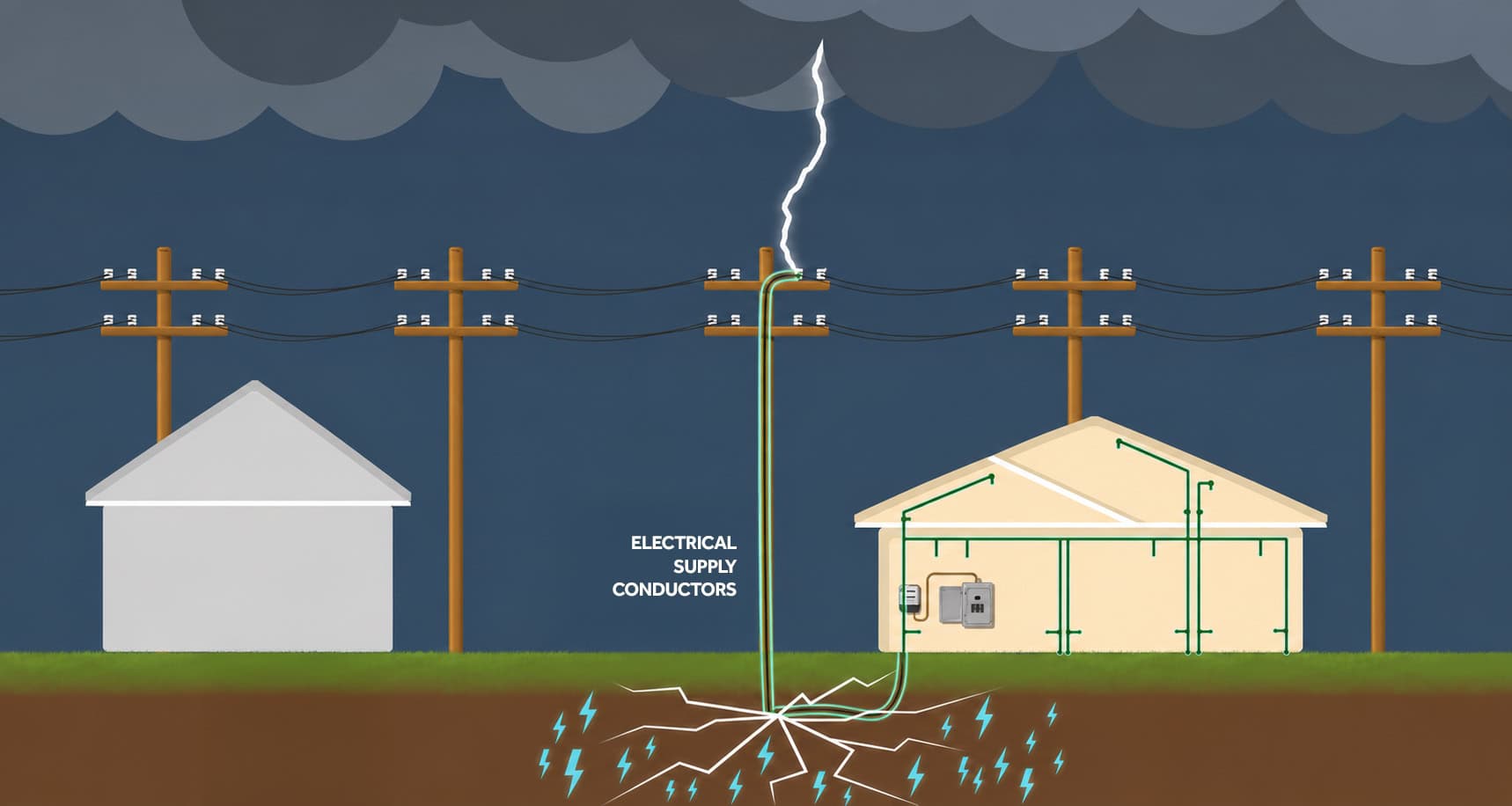
3. By induction
- Eddy currents caused by a strike near a power transmission line.
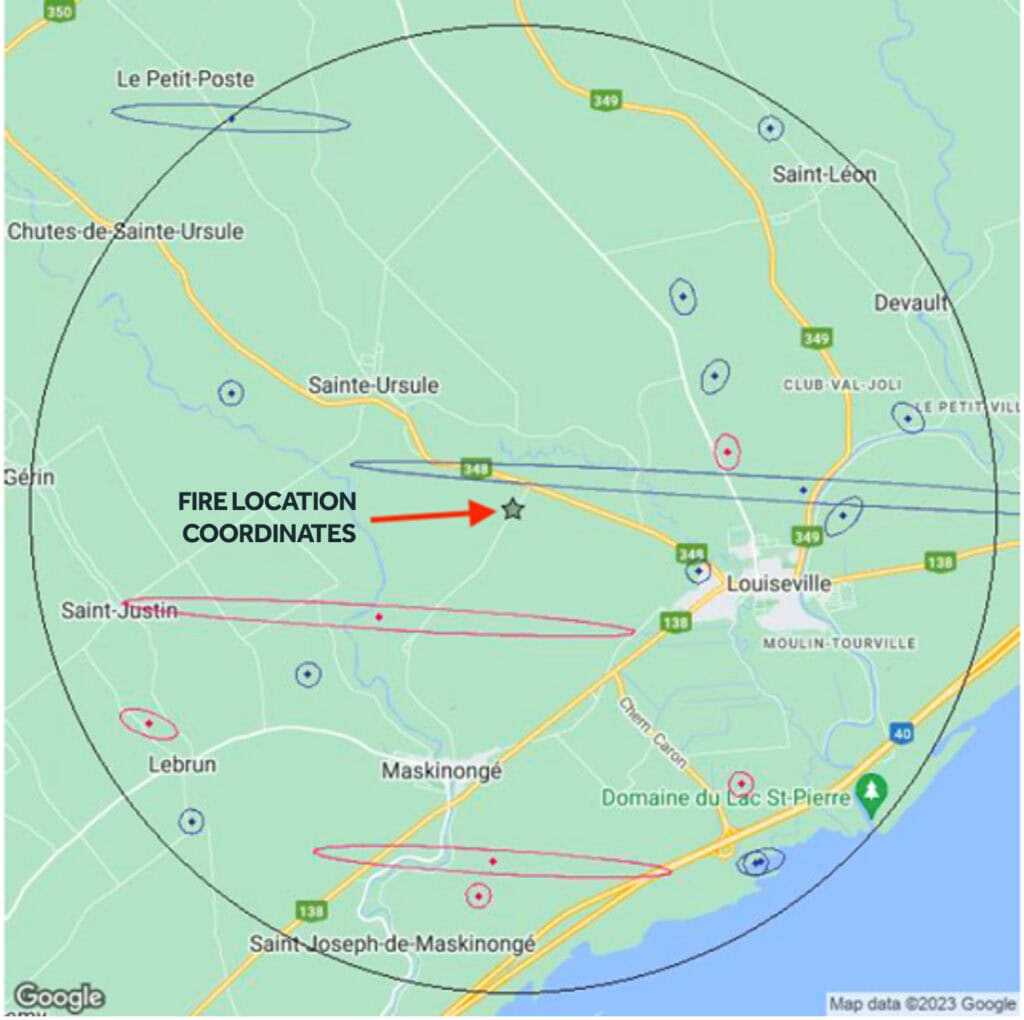
Lightning Strike Detection Network
As part of an investigation to determine the cause of a fire possibly linked to a lightning strike, the investigator has several tools at their disposal, including lightning strike detection networks. Reports from these networks provide valuable information, including the probable location and exact time of strikes that occurred during a given period. The location of the strikes is represented by probability ellipses, which the expert must take into account when analyzing the report.
Evidence Left by a Lightning Strike
The observable damage caused by lightning is numerous and varied. During the investigation, the expert will pay particular attention to the following signs:
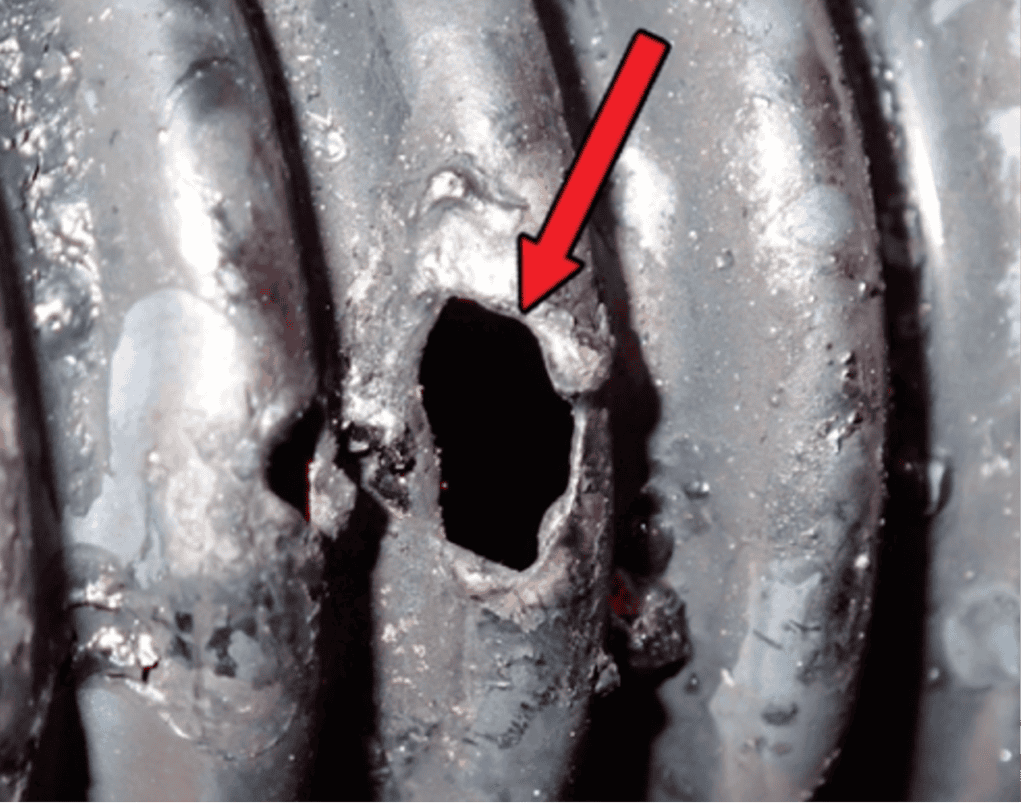
- Melt marks at possible strike points, particularly on the nails securing roof shingles, the walls of a chimney, gutters, and fascias;
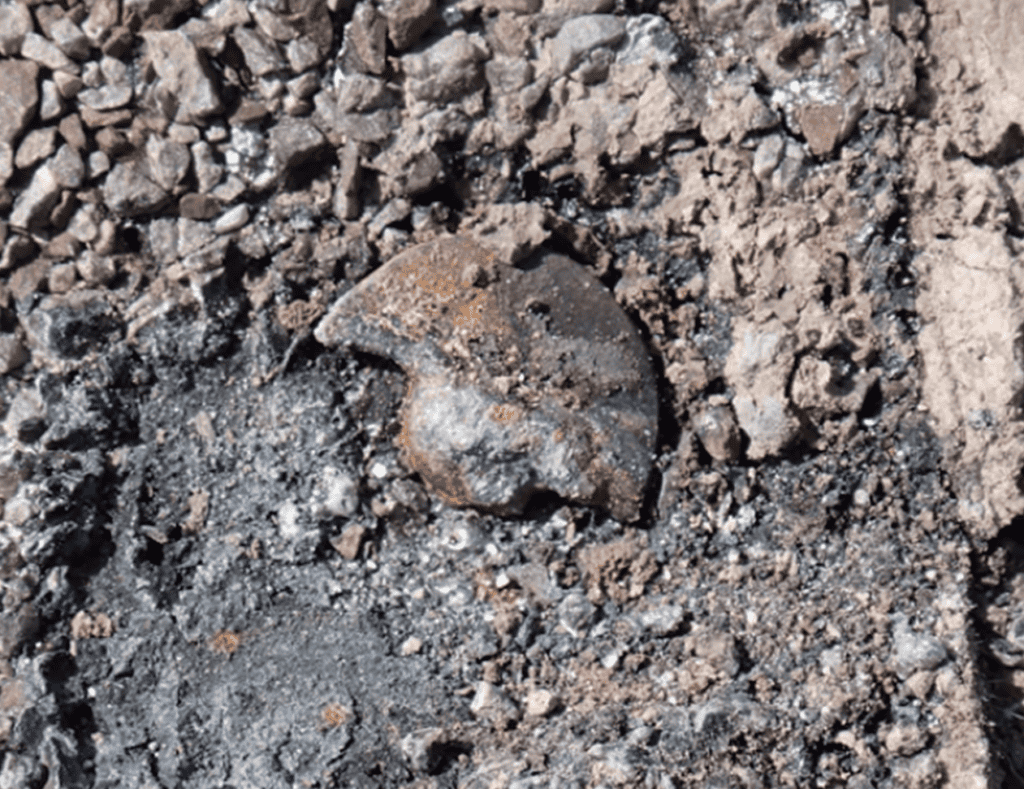
- Damage caused by a direct strike along the path of the current between the point of impact and the ground, including melting marks at the joints of metal parts and the cracking of moisture-containing materials;
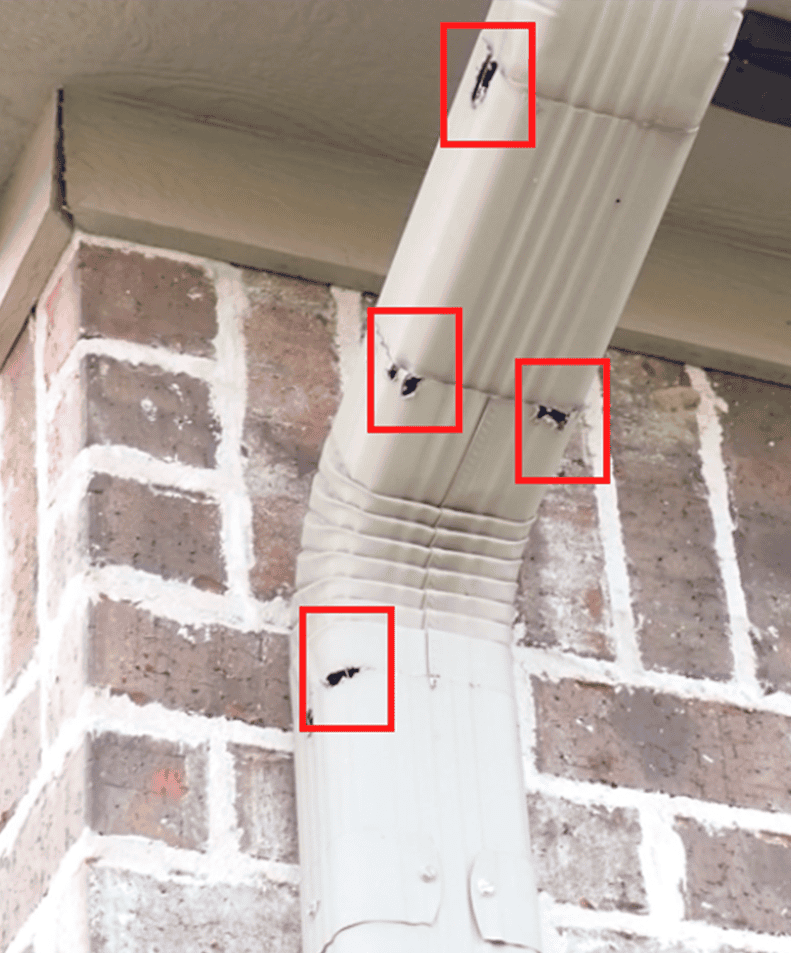
- Signs of overheating on electronic components and on the insulation of electrical cables;

- Melt marks on gas line pipes and fittings. When a pipe is damaged by lightning, a leak may occur, and the lightning strike responsible for the damage may also ignite the escaping gas;
- Finally, a lightning strike can cause damage to electronic devices in several neighboring homes. Asking the occupants of these homes about any damage to their electronic devices also allows the investigator to assess the possible role of lightning in the incident.
Conclusion
A natural phenomenon of exceptional power, lightning poses a real risk to the safety of people and buildings. Understanding it—supported by the analysis of physical evidence and data from detection networks—enables investigators to more effectively identify its role in a fire.
References:
1 https://www.canada.ca/fr/environnement-changement-climatique/services/foudre/mesure-securite/statistiques-deces-blessures.html
2 https://cwfis.cfs.nrcan.gc.ca/ah/nfdb
3 NFPA 921-2014, Section 9.12.8.2 Characteristics of Lightning—now get writing!