




As part of my thesis, I focused on the inspection of fire-damaged buildings—a crucial step in assessing the damage and making informed decisions about whether to repair or demolish the structure. My research led me to develop a four-step method to guide you through the delicate process of analyzing this damage.
This article aims to make this information accessible to a broader audience and to offer food for thought to professionals in the field, in order to better assess a building’s potential for repair.
Methodology
The methodology adopted is based on four key steps, which help structure and deepen the analysis.
1. Information Gathering
First, it is important to gather all available data on the building before and after the fire:
- Construction plans;
- Renovation history;
- Testimonies from occupants or first responders.
This phase is essential for understanding the building’s structural and functional context, as well as for assessing the impacts of the fire.
Using online tools such as Google Street View or Google Earth allows you to observe a building’s condition at different points in the past.
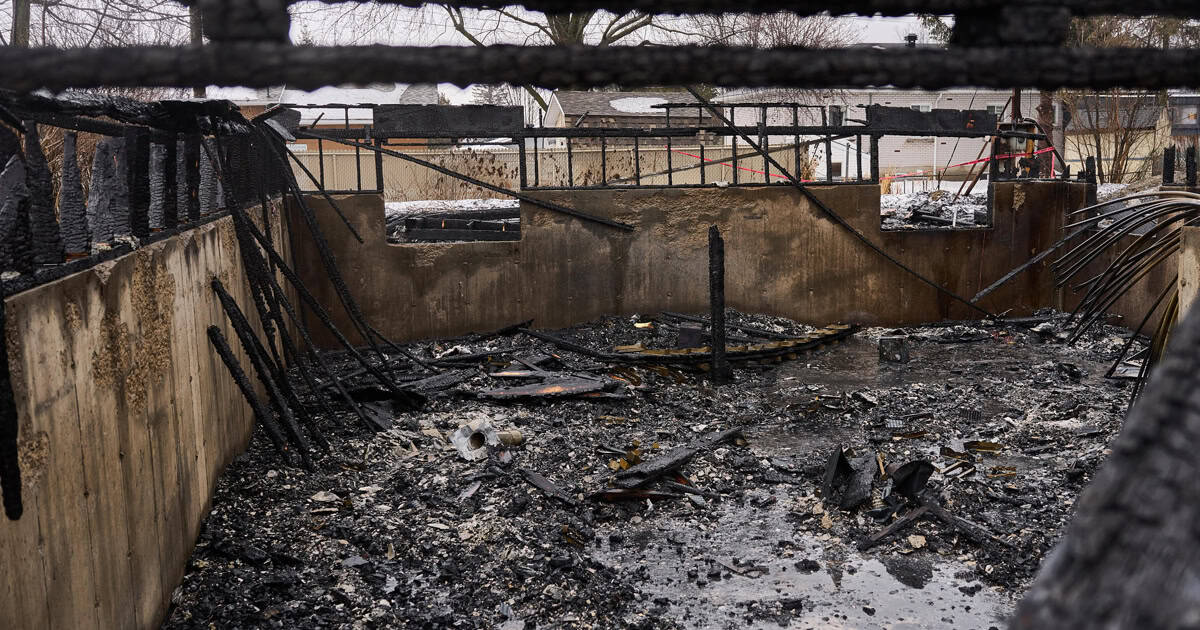
2. Building Inspection
WHY HAVE THE BUILDING INSPECTED BY AN EXPERT?
The goal is to characterize the fire and its direct consequences on the building. This second step involves several analyses:
- Determining the duration of the fire;
- Calculating the maximum temperatures reached;
- Identifying the most severely affected areas.
WE’RE EQUIPPED TO SUPPORT YOU
Thermal sensors, hardness tests, and assessments of charring and smoke marks are all tools used at Origin to identify the most damaged structural elements.
3. Material Analysis
During this phase, the expert focuses on studying the behavior of building materials exposed to fire.
A SIGNIFICANT LOSS
Steel can lose up to 50% of its strength at temperatures of 600°C or higher. Wood burns depending on the duration of exposure, while concrete may develop internal microcracks that can compromise its structural integrity.
TODAY’S REFERENCE
The current CSA 086 standard specifies 0.7 mm/min for solid 1D wood.
On-site assessments or laboratory tests conducted by our metallurgy experts allow us to determine the residual condition of these materials and calculate their capacity to support future loads.
4. Analysis of Findings
In this final step, the collected data is cross-referenced to assess the overall condition of the structure. This involves identifying irreparable components, analyzing load redistribution, and verifying the risks of further failures.
WHAT IS THE PURPOSE OF THIS?
This assessment is necessary so that the expert can make clear recommendations regarding the cleanup, reconstruction, or demolition of the building.
For a Fair Settlement
This four-step method thus contributes to a fair settlement of losses. It provides experts with a rigorous framework that prioritizes the safety of occupants and responders above all else.

To view the full study, click here: Guide to the Inspection of Fire-Damaged Buildings for Use by Expert Witnesses: Development of an Adapted Method.