




Metallurgy is a cornerstone of critical industries such as aerospace, automotive, and energy, and even impacts plumbing systems. However, even the strongest metals can be prone to unexpected failures.
1. Common Types of Metallurgical Failures
Metallurgical failures can take many forms, each with distinct causes and solutions. Here are the most common:
- Fatigue
Fatigue occurs after multiple stress cycles, each of which is below the material’s strength limit. Factors such as temperature or a corrosive environment accelerate this process. A concrete example would be parts of an airplane or a bridge that are subjected to cyclic loads.
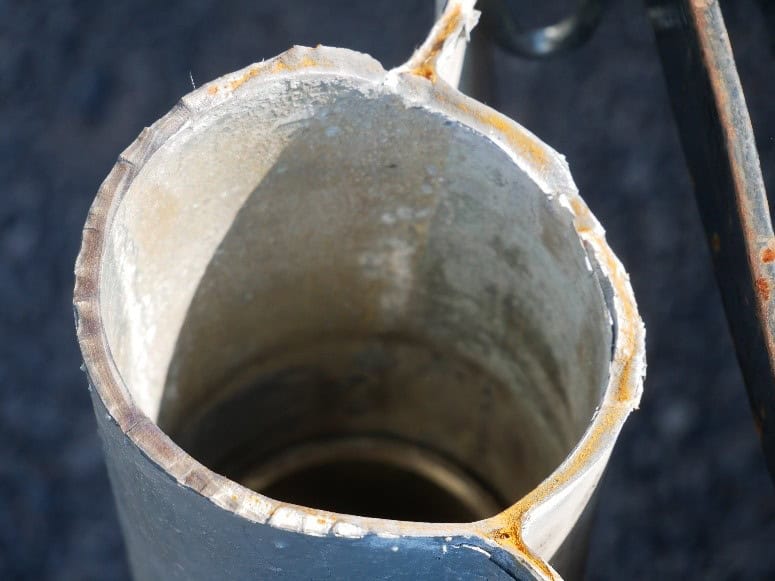
- Corrosion
Corrosion occurs when metal reacts with its environment. Whether it’s galvanic corrosion or pitting corrosion, this phenomenon is particularly dangerous in corrosive environments, such as under sinks due to the presence of household cleaning products. It is therefore essential to choose the right materials and treatments to prevent degradation. - Brittle vs. Ductile Fracture
Brittle fracture occurs without prior permanent deformation, often at low temperatures, whereas ductile fracture involves significant deformation before failure. Understanding the difference between these two fracture modes helps clarify the fracture mechanism and enables more precise solutions. - Wear and Abrasion
Components subjected to repeated friction or impact may suffer surface degradation. The specific characteristics of this type of failure help determine the root cause. Surface treatments or the selection of wear-resistant materials are solutions for extending service life.
2. Failure Analysis Methods
When a failure occurs, a thorough analysis is necessary to determine its exact cause. Here are some of the commonly used methods:
- Visual Inspection
The first step in the analysis is to inspect the failed part to identify visible signs such as cracks, wear, or deformations. This helps establish initial hypotheses. - Microscopic Analysis
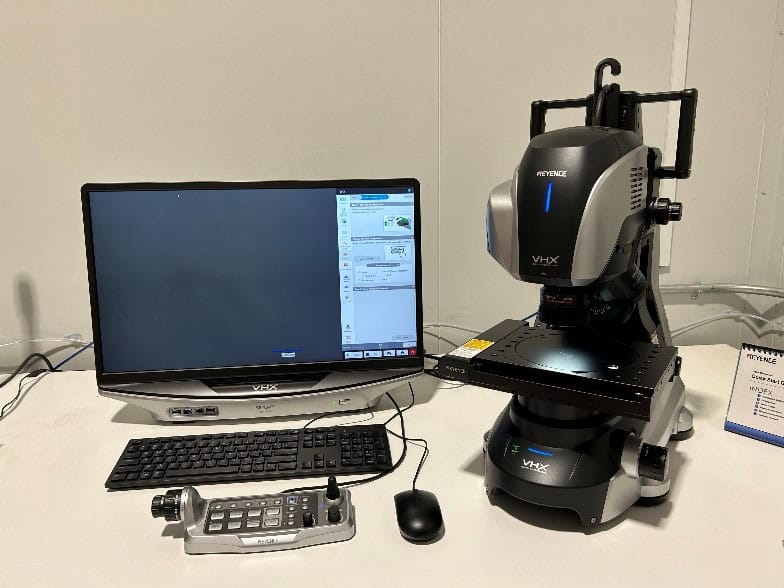
Scanning electron microscopy (SEM) and optical microscopy allow the microstructure of the metal to be visualized. This helps determine whether the failure is due to an internal defect, contamination, or a manufacturing defect.
- Mechanical testing
Tensile, hardness, and impact tests are used to measure the mechanical properties of materials after failure and to evaluate their ability to withstand stress. - Chemical Analysis
An analysis of the chemical composition, often performed using spectroscopy, helps determine whether impurities or variations in the alloy contributed to the failure. - Metallographic Preparations
Metallographic analyses are a crucial step in failure investigation. These techniques allow for a detailed examination of a material’s microstructure using prepared and polished samples, which are often stained with specific reagents to highlight certain characteristics. This analysis helps detect anomalies such as porosity, inclusions, precipitates, or the distribution of phases within an alloy. In addition to optical observation, quantitative analyses can be performed to measure grain size, phases, or interlamellar distances, thereby providing key insights into heat treatments or manufacturing processes.
3. Failure Prevention
Although a failure analysis is essential after an incident, prevention remains the best way to ensure the longevity of your metal structures. Here are a few suggestions:
- Appropriate Design
A sound design, taking into account environmental constraints and the intended use, can significantly reduce the risk of failure. - Material Selection
Choosing the right material for the right application is fundamental. Metals must be selected based on their mechanical properties, corrosion resistance, and ability to withstand wear. - Heat and Surface Treatments
Heat treatments improve the internal properties of metals, while surface treatments such as coating or anodizing protect against corrosion and wear. - Predictive Maintenance
Continuous monitoring and the use of smart sensors to detect early signs of fatigue or wear allow for intervention before failure occurs.
4. Legal Aspects of Failure Analysis in Metallurgy
Failure analysis is not limited to technical considerations; it also has a legal dimension that can be crucial, particularly in sensitive sectors such as aerospace, automotive, and construction. Here are some key points to consider:
- Legal Liability
When a failure leads to accidents, injuries, or property damage, it is important to determine liability. Failure analysis then becomes a crucial element in litigation to determine whether the failure resulted from a design defect, a manufacturing defect, or improper use of the material. - Standards and Regulations
Metallic materials and manufacturing processes are often subject to strict standards (ISO, ASTM, EN, etc.). In the event of a failure, the analysis must verify compliance with applicable standards. Any deviation or failure to comply may result in legal action or significant fines for the companies involved. - Evidence in Legal Investigations
Failure analysis can also be used as evidence in legal investigations, where a metallurgical expert may be called to testify regarding the causes of the failure. Detailed and well-documented analysis reports can play a crucial role in court decisions, especially in cases involving negligence or hidden defects. - Traceability and Documentation
Rigorous documentation of manufacturing processes, heat treatments, and inspection results can help prevent costly legal proceedings. In the event of a failure, the ability to trace the origin of the materials and processes used can be critical to limiting legal liability.
Conclusion: Anticipate, Understand, and Resolve
Failure analysis is an essential tool for identifying the root cause of failures and improving both the safety and durability of metal components. From a legal standpoint, it plays a key role by providing concrete evidence and a better understanding of liabilities, thereby offering a stronger defense in the event of a dispute or claim.
Need expertise in failure analysis or advice on material selection?
Feel free to contact us! We offer detailed analysis services and training to help you better understand the metallurgical challenges in your field.