




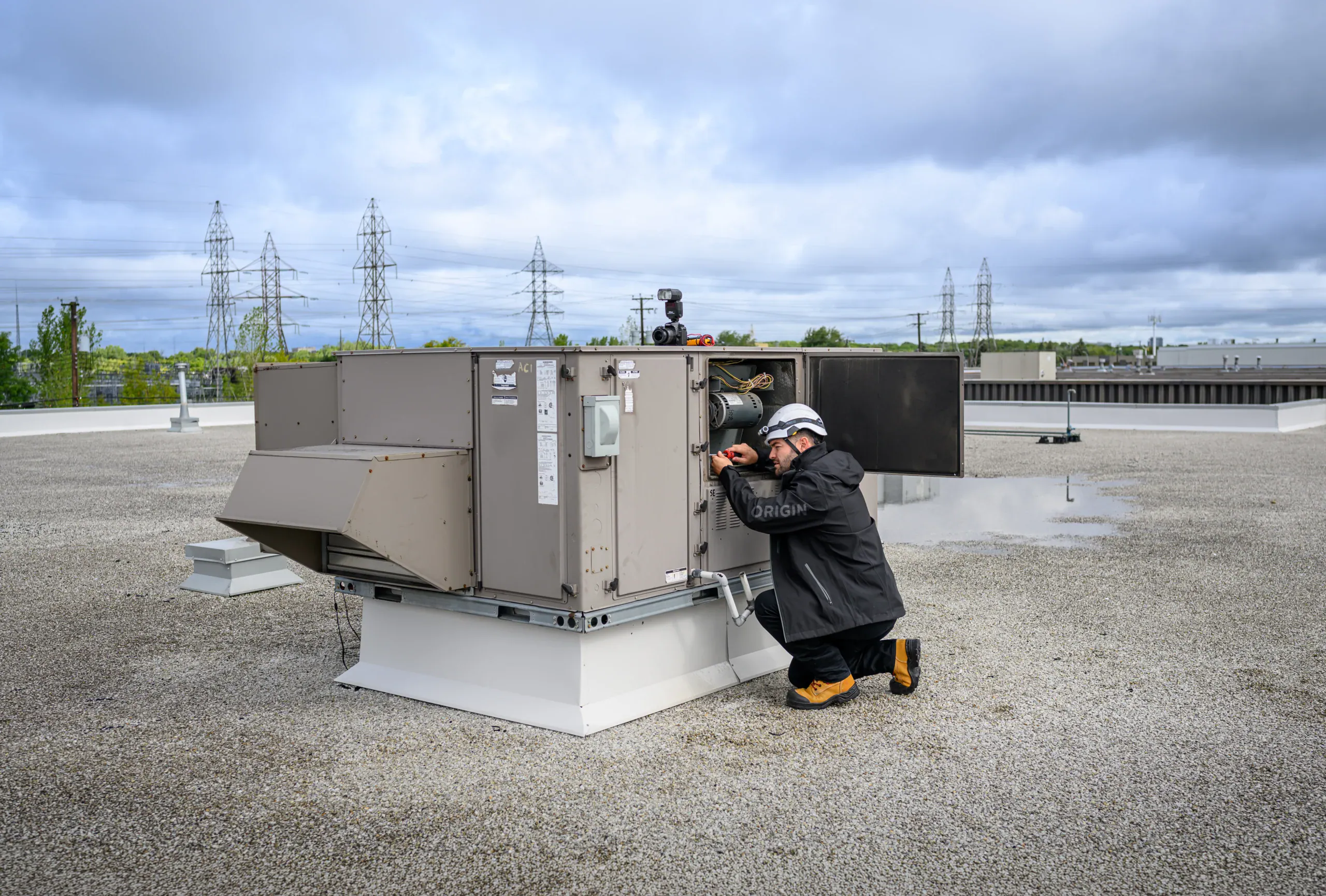
When a loss occurs in a building, whether it involves water damage, freezing, equipment failure, fire or another event, it is essential to understand what actually happened. In many cases, this analysis directly involves the building’s operating systems. Plumbing, heating, ventilation, air conditioning, hydronic systems, drainage and various types of mechanical equipment may have caused the loss or played a role in its progression.
The building mechanical expert is then called upon to examine the systems and equipment, document their observations and determine, where the available evidence permits, the origin and probable cause of the loss.
What Are Building Mechanicals?
Building mechanicals encompass the systems that perform a range of functions essential to the operation of a building. These include:
- plumbing and water supply systems;
- fire protection systems, such as sprinklers;
- drainage systems;
- pumps;
- heating, ventilation and air conditioning systems;
- boilers, water heaters and hydronic systems;
- heat pumps;
- pumps and circulation equipment;
- gas-fired appliances;
- control and regulation equipment;
- certain types of specialized mechanical equipment (lifting appliances, elevators, etc.).
These systems are found in residential, commercial, institutional and industrial buildings. Their complexity varies considerably depending on the type of building and its use.
Why Are Building Mechanicals Often Involved in a Loss?
A significant proportion of losses affecting buildings involve mechanical systems, either directly or indirectly.
In some cases, their involvement is direct. A pipe may rupture, a fitting may leak, a valve may fail or a piping system may freeze. A boiler may overheat. A drainage system may back up. Mechanical equipment may stop functioning.
In other cases, the mechanical system is not necessarily the source of the loss, but its operation may have contributed to the extent of the damage. For example, a ventilation system may facilitate the spread of smoke throughout a building during a fire, or a deficient sprinkler system may have failed to adequately protect an area, allowing the flames to spread rapidly.
The technical analysis therefore makes it possible to understand the actual role played by the mechanical systems in the event.
Origin and Cause: Two Distinct Concepts
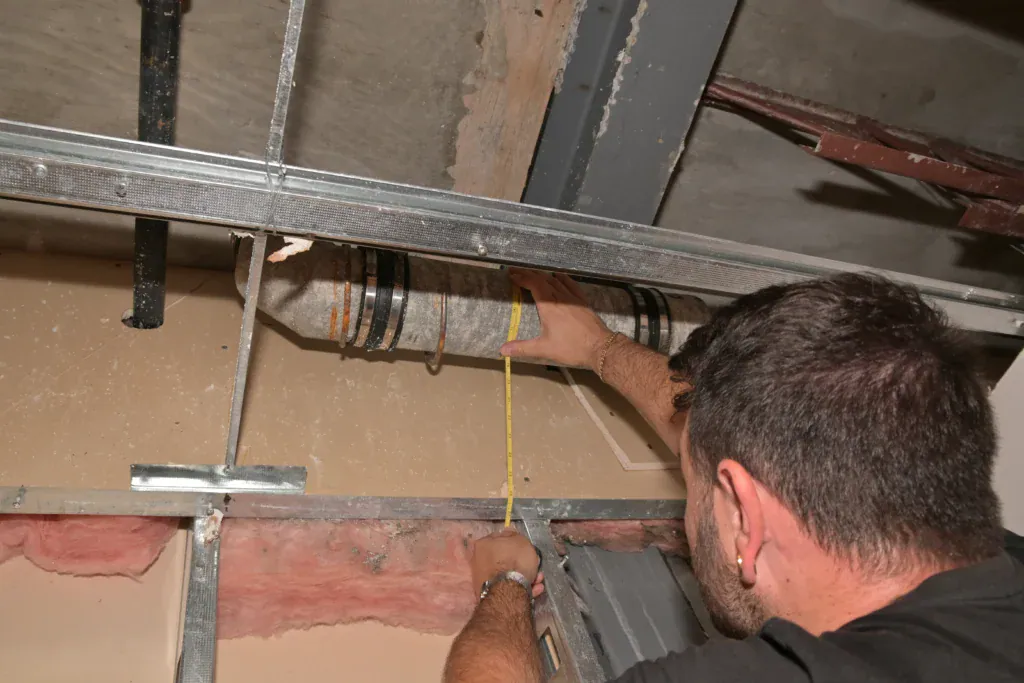
In the context of a post-loss investigation, it is useful to distinguish between the origin and the cause.
The origin generally refers to the location where the loss began. In a water damage claim, for example, the origin of the loss could be within the piping of a sprinkler system, whereas the cause could be a malfunction of the heating system.
The cause seeks to explain why water escaped from the component in question.
Possible causes include:
- mechanical rupture;
- cracking;
- loosening;
- corrosion;
- freezing;
- improper installation;
- a material defect;
- progressive wear;
- abnormal pressure; or
- a combination of several factors.
Identifying the location from which the water escaped is therefore not always sufficient to explain why the loss occurred.
This is where the expert’s analysis becomes particularly important.
What Is the Role of the Building Mechanical Expert?
The building mechanical expert conducts a technical analysis of the systems and components that may be associated with the loss.
Their role includes gathering available information, examining the systems and identifying evidence that may help reconstruct the probable sequence of events.
Their conclusions are based on observations, available data and the technical principles applicable to the system in question.
The Importance of Pre-existing Conditions
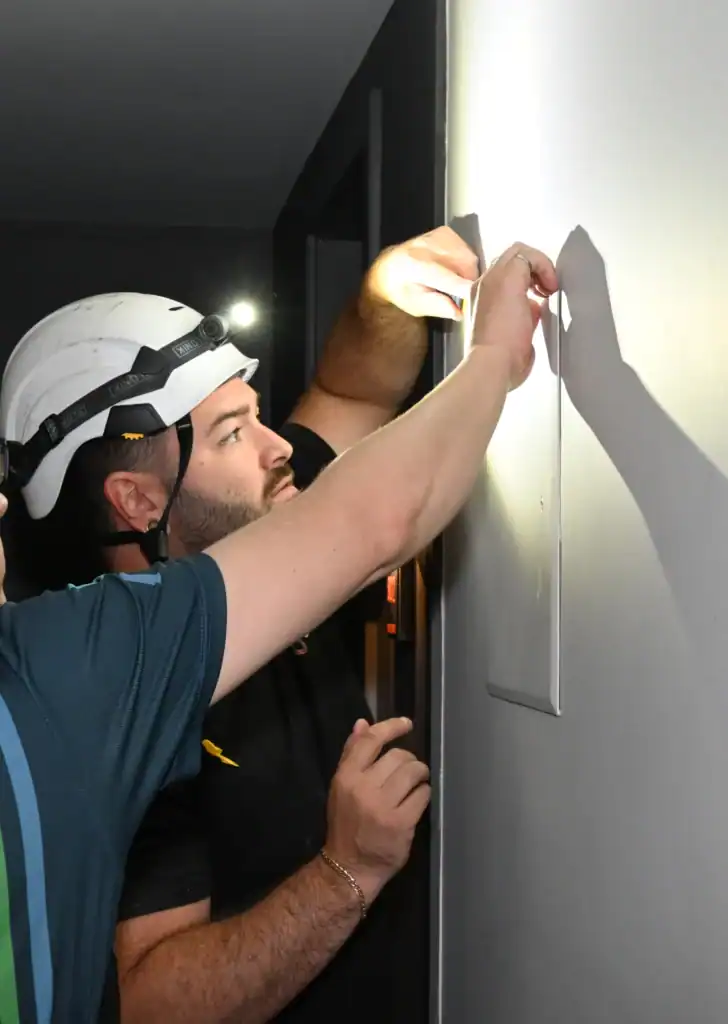
One of the challenges of a post-loss investigation is distinguishing damage caused by the loss from conditions that existed beforehand.
A component may already have been corroded, cracked, improperly installed or deteriorated before the loss was discovered. In some cases, the loss may partially or completely destroy evidence of certain pre-existing conditions, making the expert’s task even more difficult!
Preserving Components: An Essential Part of the Investigation
When a component is suspected of having caused the loss, preserving it can be critical. It is therefore recommended, where circumstances warrant, to document and preserve any component potentially involved rather than discarding them. These components can then be examined more closely and, if necessary, subjected to specialized analyses.
This approach is particularly important when a product defect or an installation error is involved, or when recovery against a third party may be considered.
Why Is It Important to Act Quickly After a Loss?
The timing of the investigation can significantly affect the quality of the analysis.
Following a loss, site conditions can change rapidly. Emergency work begins, materials are removed, equipment is moved and defective components are sometimes replaced. These actions are often necessary to protect the building, but they may also alter or destroy evidence.
Early involvement allows the expert to better document:
- the initial configuration of the systems;
- the damage before emergency work begins;
- the position of the components;
- evidence of water or deterioration;
- the conditions surrounding the point of origin;
- the equipment involved.
The more extensively the original conditions are preserved and documented, the more comprehensive the analysis can be.
The Expert’s Role in Cases Involving Recovery
Identifying the origin and cause of a loss serves a purpose beyond understanding what happened.
It may also help determine whether a third party, such as a manufacturer, installer, contractor, contributed to the event.
For example, the analysis may reveal:
- improper installation;
- a defective component;
- inadequate prior work;
- a design issue;
- premature equipment failure;
- inadequate or lack of maintenance.
In such cases, technical documentation is particularly important.
The expert can help establish the technical facts necessary to assess potential recovery options while remaining within the scope of their mandate and area of expertise.
A Fact-Based Approach
A post-loss investigation involving building mechanical systems relies primarily on a methodical and scientific approach.
The expert must distinguish observed facts from hypotheses, consider the various possible causes and evaluate them against the available evidence.
In some cases, the cause can be identified with a high degree of confidence. In others, the damage, changes to the site or the absence of certain components may limit the scope of the conclusions.
Understanding the Loss for More Effective Claims Management
The building mechanical expert plays an important role in investigating losses involving plumbing, heating, ventilation, air conditioning or any other mechanical systems described above.
The expert’s involvement helps answer two fundamental questions: Where did the loss begin, and why did it occur?
Through site inspection, system analysis and examination of the components involved, the expert can identify the origin of the loss and determine the failure mechanism involved.
For insurers, claims adjusters, property owners and other stakeholders, this analysis provides an essential technical basis for understanding the loss, determining the next steps and, where possible, assessing potential options for recovery.

