




With the arrival of warm weather, many people are already looking forward to opening their pools. Although these facilities are typically associated with fun and relaxation, for some, the swimming season can mean breakdowns and problems that often result in insurance claims. In this article, we’ll explore the most common types of swimming pools in Quebec, as well as some of the breakdowns and problems associated with them.
Types of Pools
There is a wide variety of pool types, each with unique characteristics in terms of design, size, style, use, and cost. In Quebec, we generally use two types of pools: in-ground and above-ground.
In-Ground Pools
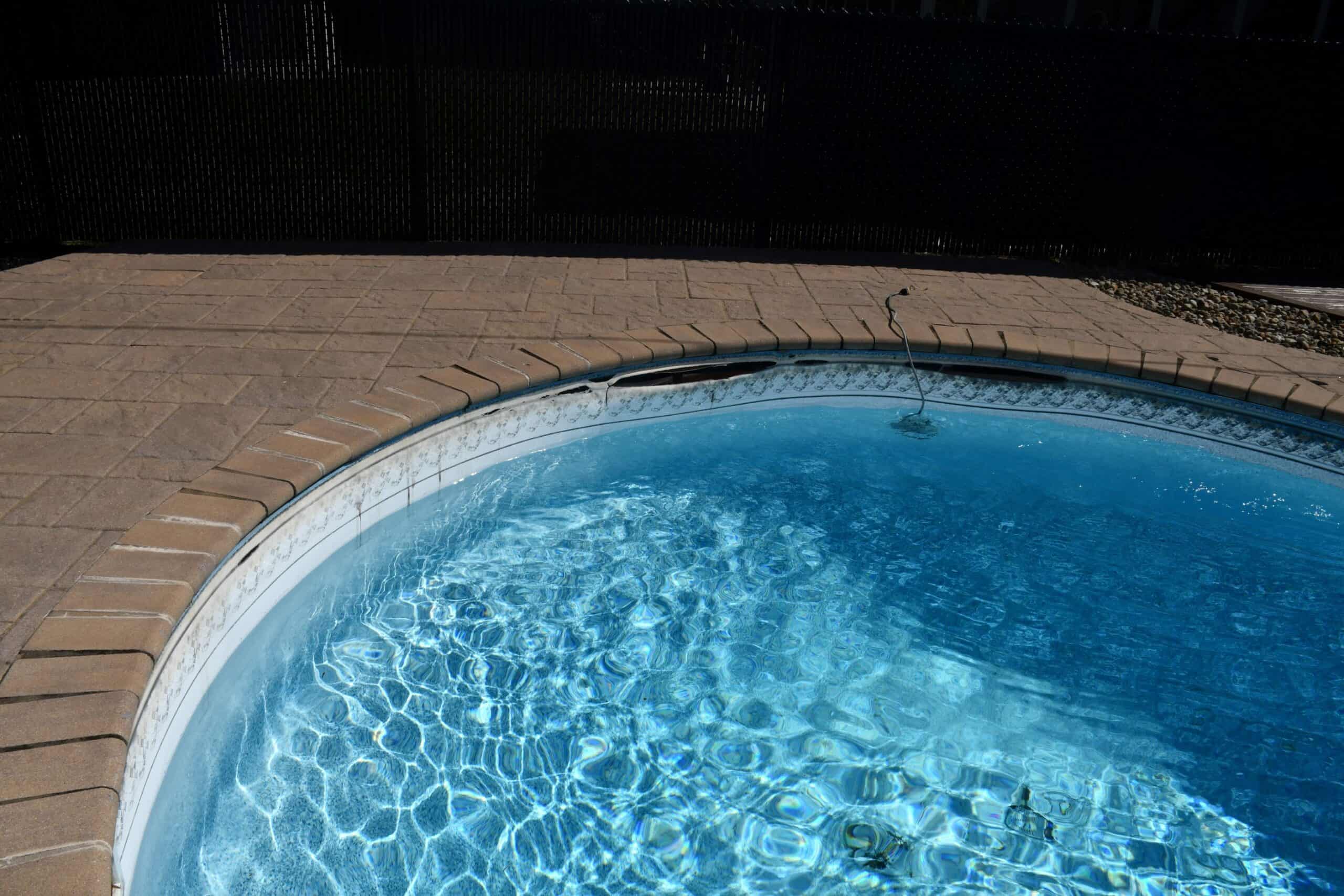
In-ground pools are typically permanent and built into the ground. They offer an attractive appearance, greater versatility, and increased durability. They are often constructed of reinforced concrete, steel, vinyl, or fiberglass, and can be customized in terms of shape, size, and depth. In-ground pools offer a wide variety of design options and can be seamlessly integrated into the landscaping. They generally require more complex construction and are therefore more expensive. There are several types of in-ground pools, including:
- Concrete in-ground pools, with or without a liner;
- In-ground pools made of steel panels with a concrete bottom;
- In-ground pools made of resin alloy and concrete;
- In-ground fiberglass pools (monocoque).
Above-ground pools
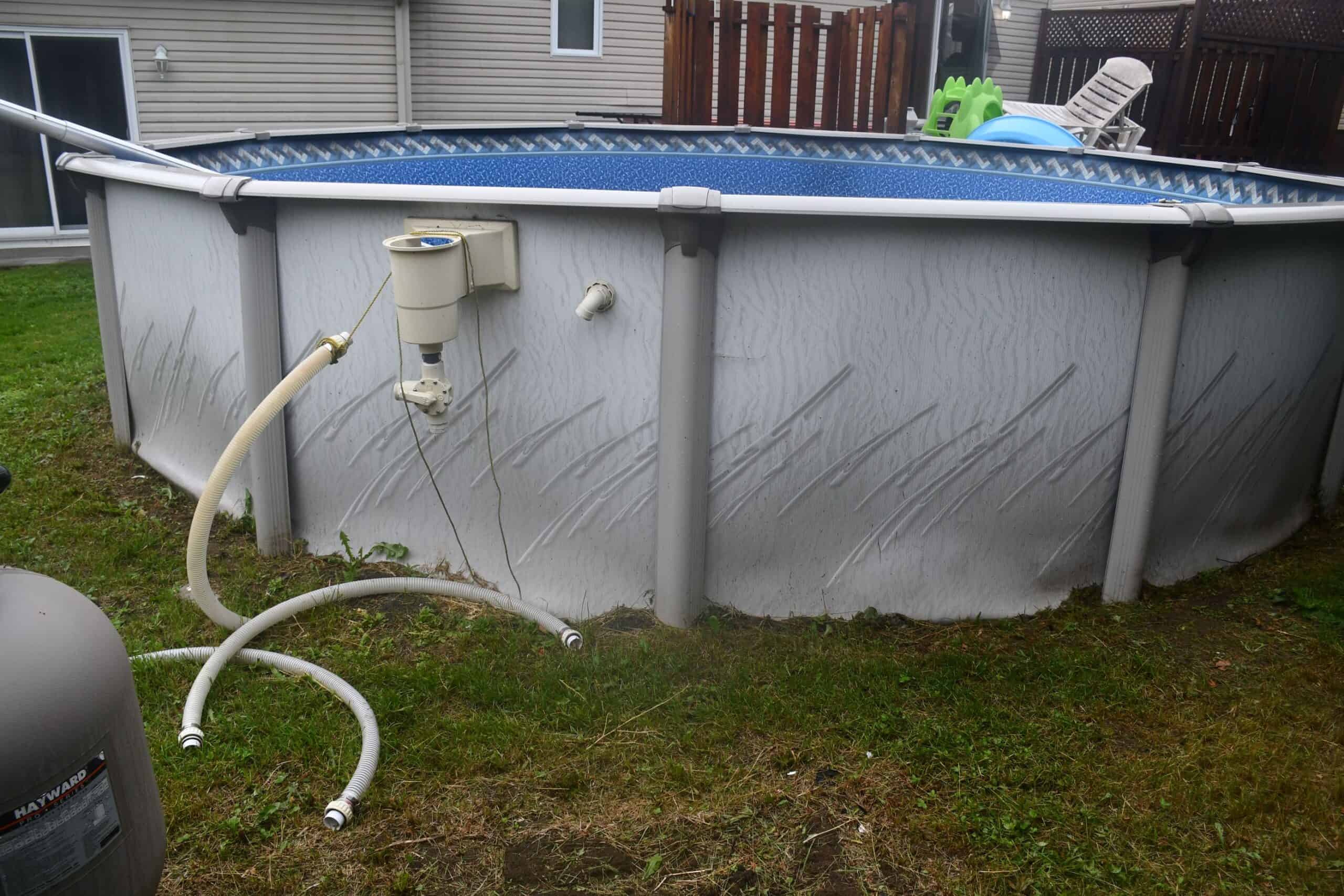
Above-ground pools are temporary pools that are installed above ground and can be disassembled and moved as needed. They are often made of steel, aluminum, resin, or PVC, and are available in a variety of sizes, shapes, and styles. Above-ground pools are generally more affordable and easier to install than in-ground pools. However, they tend to be less durable and less aesthetically pleasing than in-ground pools. There are several types of above-ground pools, including:
- Galvanized steel above-ground pools;
- Aluminum above-ground pools;
- Above-ground pools made of extruded, injection-molded, or blow-molded resin;
- Wooden (or composite) above-ground pools.
Common Types of Damage
There are several types of pool damage, ranging from minor incidents to major damage requiring extensive repairs. Here are some of the most common types of damage to in-ground pools:
- Structural damage: Damage to the pool’s structure itself. Example cause: Ground movement or deformation due to freezing and thawing.
- Lining damage: Damage caused by cracks, tears, holes, or scratches. Example cause: Impact from hard or sharp objects, or material aging.
- Filtration system damage: Damage related to the operation of the pool’s filtration systems. Example causes: Corrosion, mechanical or electrical failures.
- Equipment damage: Damage to pool equipment, such as ladders, diving boards, slides, water jets, lighting, or other accessories. Example causes: Impacts or leaks.
- Plumbing failure: Damage to or leaks from pipes, valves, fittings, and other pool plumbing components that may be damaged—for example, by leaks caused by corrosion. Example of a cause: Water pressure or improper installation.
It is important to hire a qualified professional to assess and repair any pool damage. With Origin Enquêtes technico-légales Inc.’s pool service package, our experts can determine the cause of such damage and provide a clear and comprehensive overview of the situation to facilitate your claims process.
We invite you to review our pool service package here or contact us to engage our services: info@origin.expert.