




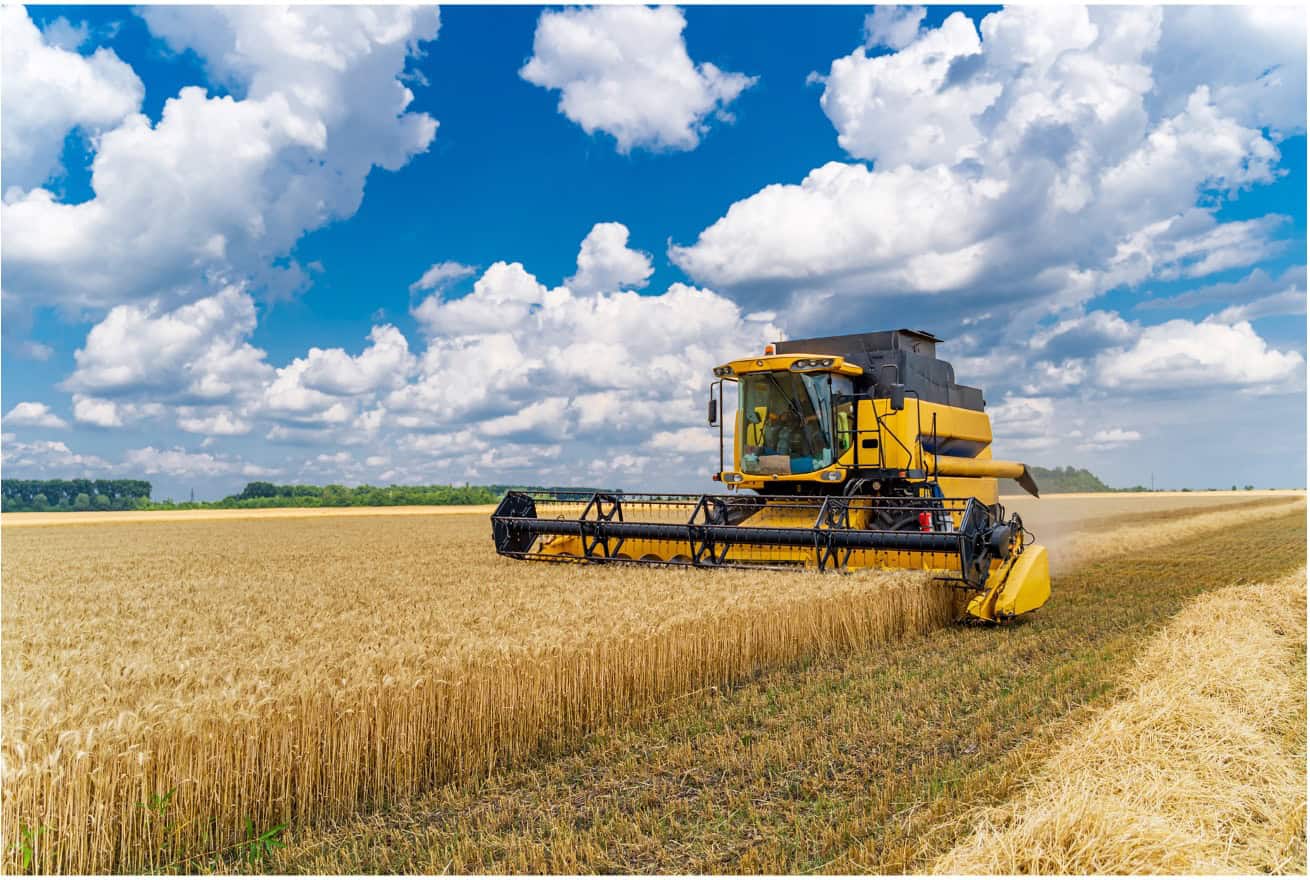
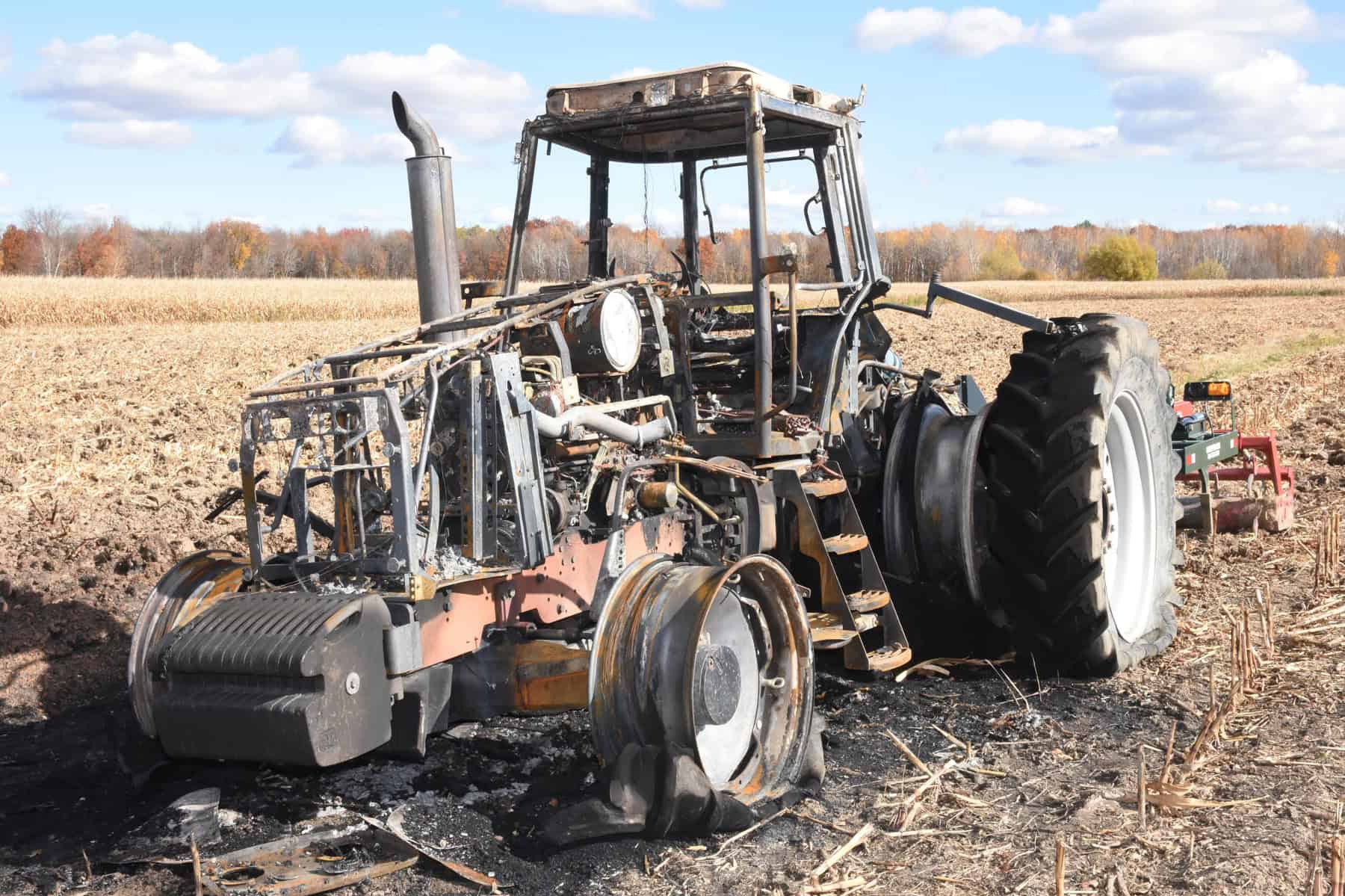
Potential ignition sources when using agricultural machinery pose a danger that can trigger a fire very quickly and cause considerable damage to equipment and crops—and even endanger lives. The buildup of flammable dust, overloaded electrical systems, and hot surfaces on mechanical components create conditions conducive to fire. However, with appropriate preventive measures and increased vigilance, these risks can be significantly reduced, thereby ensuring the safety of operators and the longevity of the equipment.
Fire Hazards Associated with Agricultural Machinery
Agricultural machinery, due to its prolonged operation and the harsh conditions in which it operates, presents an increased risk of fire. Here are the main causes:
- The accumulation of dust and flammable plant debris;
- Leaks of fuel and hydraulic fluids that can ignite upon contact with a hot surface;
- Short circuits and other electrical malfunctions;
- Overheating of engines and mechanical components.
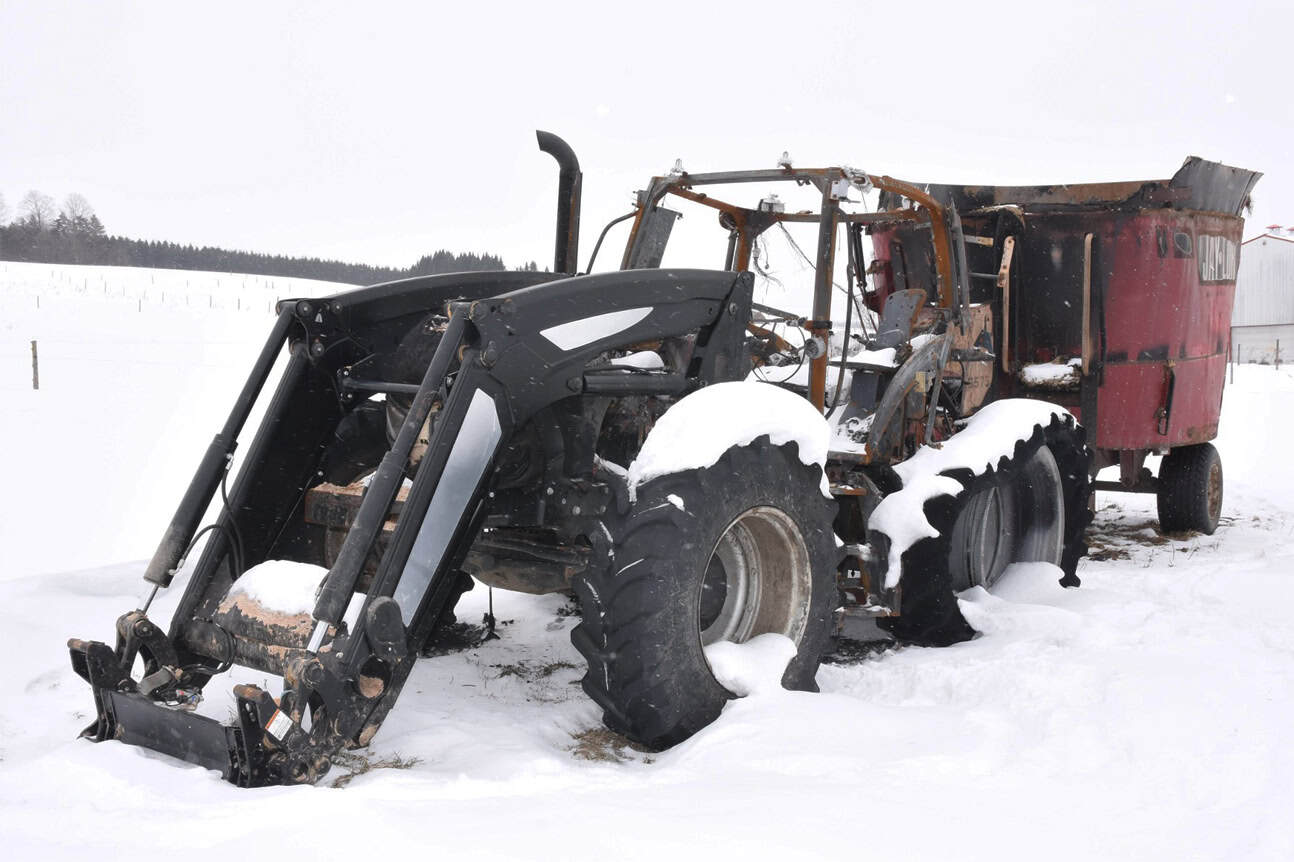
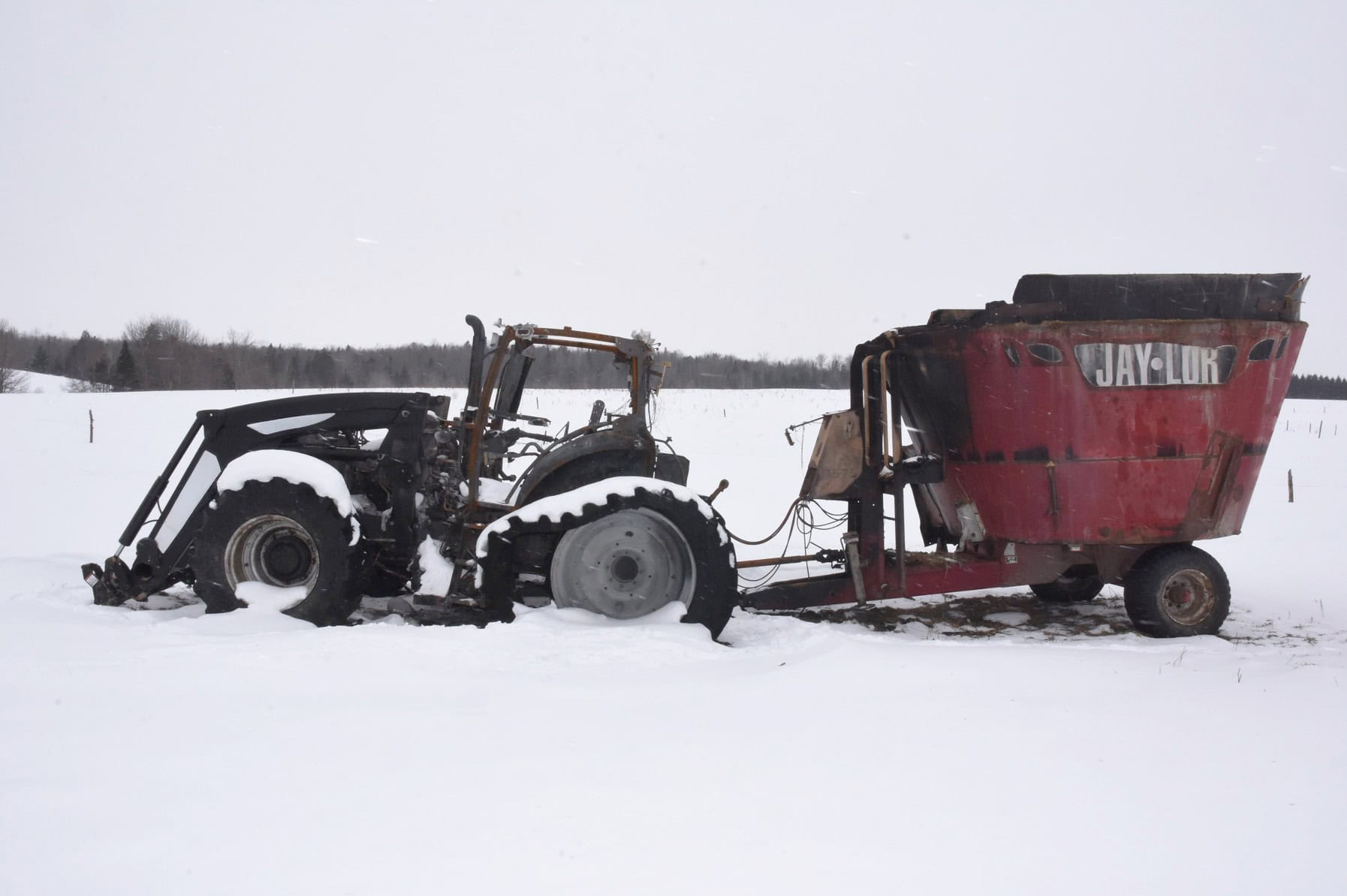
Did you know that agricultural machinery operations related to livestock care also carry fire risks? During dry periods, preventive measures are also essential for feed mixing operations. The same applies in winter during the agricultural chopping season (straw chopping).
Essential Preventive Measures
Below, we’ve listed the various measures to follow to prevent fire hazards on farm machinery.
1. Regular maintenance of farm machinery
- Clean machinery frequently to remove dust and combustible material buildup, especially in areas prone to accumulation and near hot components, such as the exhaust system and engine compartment;
- Check and lubricate bearings and moving parts to prevent them from overheating;
- Inspect belts and transmissions for excessive wear that could generate heat;
- Regularly check the engine cooling systems.
2. Management of Raw Materials and Work Areas
Food products are sometimes mixed inside buildings, which adds an additional risk factor in the event of a fire. For this reason, additional safety measures must be implemented to ensure a safe work environment.
- Prevent the presence of metallic foreign objects by using metal detectors or magnets before food enters the machinery;
- Store flammable materials away from operational areas;
- Ensure products are thoroughly dried to limit the accumulation of fine dust, which can be highly flammable;
- Keep work areas clear and free of flammable materials.
3. Monitoring Electrical Equipment
- Check the condition of electrical cables and connections to prevent short circuits;
- Install appropriate circuit breakers and fuses to prevent overloads;
- Ensure that the environment is free of sources of sparks, in particular by removing any exposed wires.
4. Protective and Emergency Measures
- Keep a fire extinguisher suitable for Class A, B, and C fires near agricultural machinery;
- Train operators in preventive measures and response procedures in the event of a fire;
- Install an emergency shut-off system to quickly cut off the power supply if necessary;
- Install heat and smoke detectors on equipment most at risk.
By strictly implementing these preventive measures, it is possible to significantly reduce the risk of fire and ensure a safe work environment for everyone.
Vigilance and regular maintenance of equipment are key to the safe operation of agricultural machinery. Preserving the integrity of equipment, crops, and, above all, worker safety must remain a priority for sustainable and worry-free operations.
If you have any questions regarding an agricultural machinery insurance claim, please do not hesitate to contact the experts in our mechanical engineering department.