




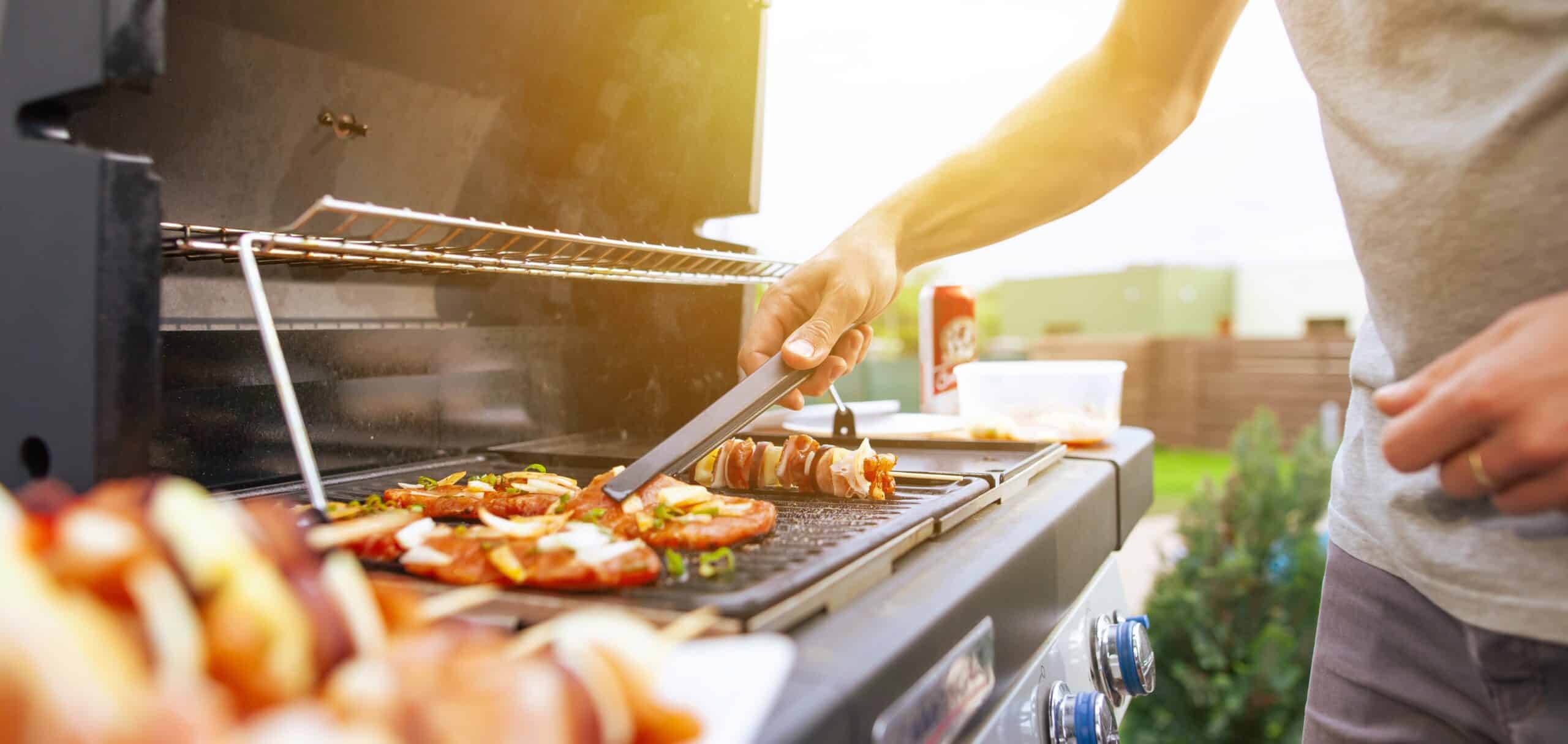
Ah, the return of sunny days. That moment when the smell of the barbecue hits you as soon as you step out onto your porch. Patio chairs, the grill, a cocktail at the end of a sunny day… But above all, the joy of cooking up a nice steak on the grill! Every year, there’s a surge of excitement—and, really, it’s all about something so simple: cooking over an open flame. Where does this need to cook over an open flame come from, time and time again? From way back in history…
In this article, we’ll explore the origins of barbecuing, going back as far as prehistoric times, through the Americas of Christopher Columbus, and ending closer to home in the 1950s. We’ll explain where the technique comes from, the etymology of the word “barbecue,” and the design of the grill as we know it today. Enjoy the read!
🪵 1. A Very Ancient Fire: The Origins of the Barbecue
We have to go all the way back to the very beginning, when early humans first learned to control fire (thank you, Prometheus!) to cook their food. According to a study conducted by Harvard researchers, the practice of cooking dates back 1.9 million years—all the way to prehistoric times. Back then, food was cooked over a fire in baskets made of leaves that were placed under the embers.
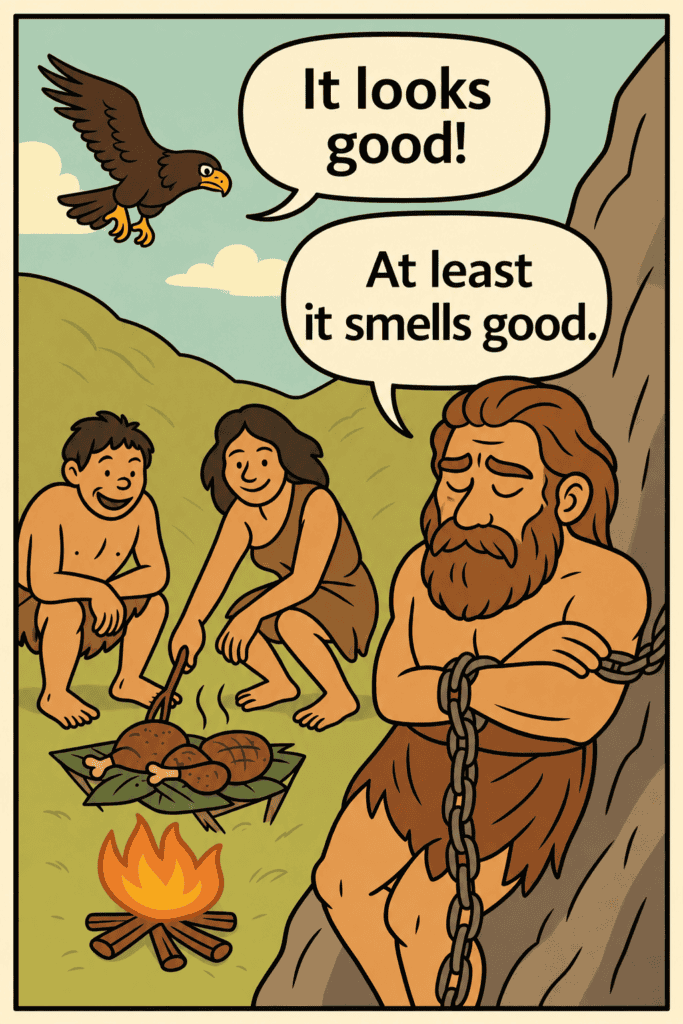

This technique made food easier to chew, allowing people to eat a wider variety of foods.
2. The Discovery of the “Barbacoa” and the Americas
We must jump forward in time to the 15th century to fully understand the origin of the “barbecue” as we know it today. Christopher Columbus, in his writings, noted that he had observed the technique of indirect cooking using a wooden grate set over the fire during his first encounters with indigenous tribes. He called this setup “barbacoa.”
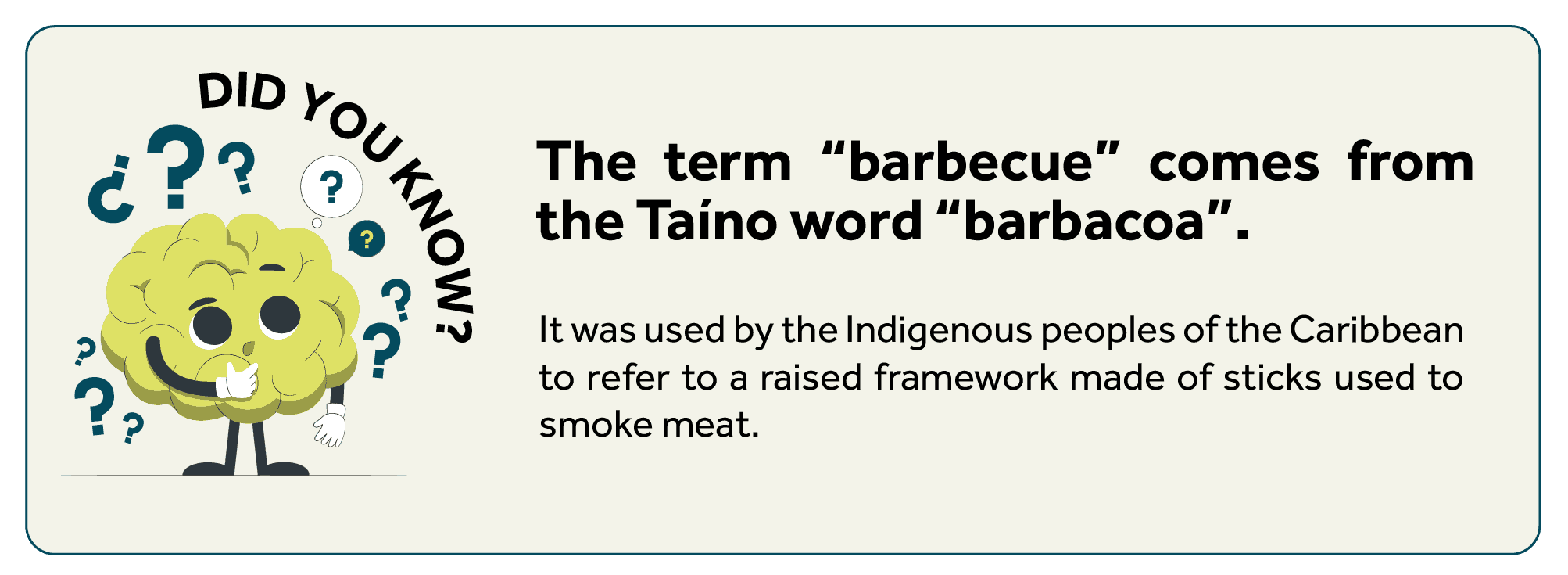
This method later spread to the United States and became a social event as early as the 18th century, especially in the South. For more information on this topic, you can read the article published by Smithsonian magazine here.
3. The Arrival of the Kettle Barbecue
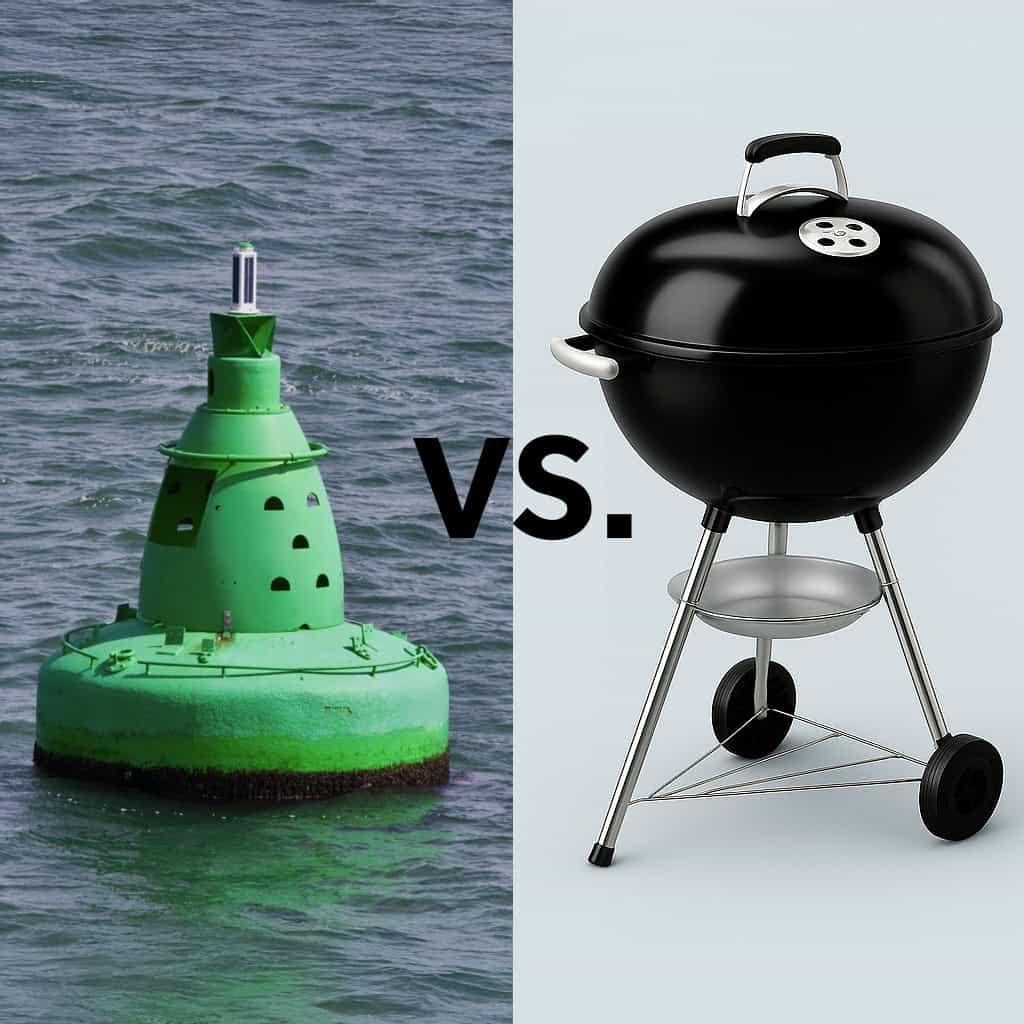
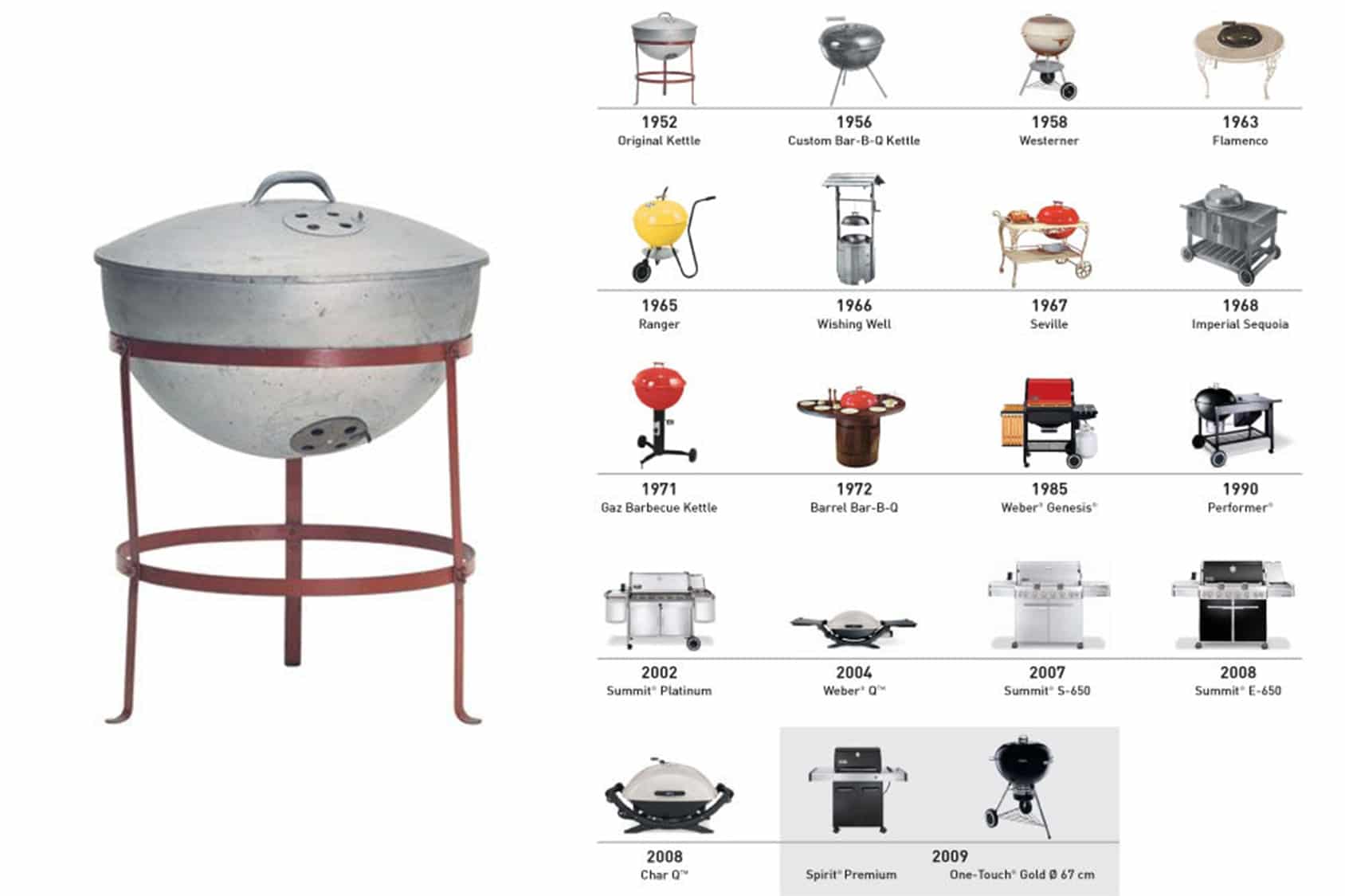
The first barbecue with a lid was invented in Chicago in 1952 when a man named George Stephen, who was then working as a parts assembler, decided to improve cooking over an open fire by adding a sphere, inspired by nautical buoys. He took one and cut it in half. The bottom half served as the cooking chamber, while he used the top half as a lid, to which he attached a handle.
His invention finally made it possible to cook food evenly in bad weather and added value in terms of culinary quality, as it was now possible to monitor the cooking process and control the heat trapped under the lid. He and his wife decided to market the model, called the “Original Kettle,” under the company name “Weber-Stephen,” which is still known today as one of the leading barbecue manufacturers.
You can also read Weber’s article on the subject here.
Over the years, barbecues have evolved since George Stephen’s invention to become what we use today.
Conclusion: A Matter of Heat… and Culture
Even today, the barbecue remains an integral part of social customs and brings people together. It is much more than just a cooking tool; it also reflects the heritage passed down by cultures that are completely different from one another.
Caution is sometimes needed, as it remains a device that uses an open flame, which can lead to fires.
That’s why Origin has decided to share its top 10 causes of fires related to barbecue use in its next article. Stay tuned, and don’t hesitate to reach out to our experts if you have any questions regarding insurance claims that may involve barbecues.
To hire an expert or contact one of them, click here.